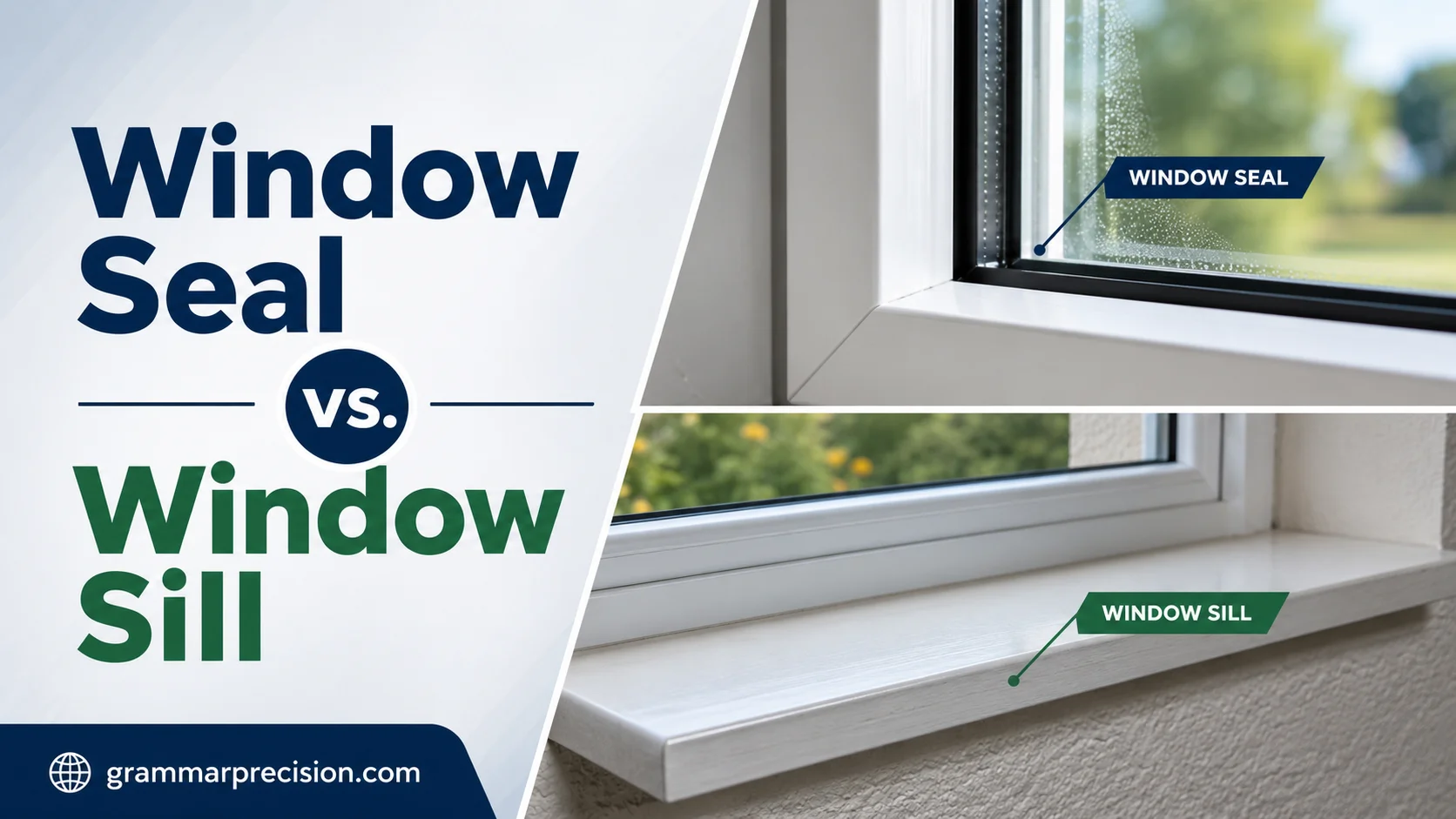
Understanding the difference between Window Seal vs. Window Sill is important for homeowners who want better window performance, protection, and maintenance.
A window seal helps prevent air leaks, moisture, and drafts, while a window sill provides structural support and directs water away from the home. Knowing their roles can improve energy efficiency and protect your property from damage.
Many people confuse these two window components because they work together but serve different purposes. A damaged seal can increase heating costs, while a broken sill may cause water problems. Learning the difference helps you maintain a safe, comfortable, and durable home.
Why People Often Confuse Window Seals and Window Sills
The confusion usually comes from the similar-sounding names. Both components are part of the same window system and work together to protect your home.
However, each serves a unique purpose:
- A window seal creates an airtight and watertight barrier.
- A window sill supports the window structure and directs water away from the building.
- One focuses on insulation.
- The other focuses on drainage and protection.
Because homeowners often notice problems around the edges of a window, they may struggle to identify which component is responsible.
Common Misconceptions About Window Seals and Window Sills
| Misconception | Reality |
| Window seal and sill are the same thing | They are completely different components |
| Condensation always means a damaged sill | It often points to a failed seal |
| Exterior leaks only involve seals | Damaged sills can also cause leaks |
| Window sills are decorative only | They provide structural and moisture protection |
Understanding these differences is the first step toward proper window maintenance.
What Is a Window Seal?
A window seal is the material that creates a tight barrier around window glass or between window components. Its primary purpose is to prevent air, water, dust, and outside contaminants from entering your home.
Modern insulated windows contain specialized seals that trap inert gases such as argon or krypton between panes of glass. These gases improve insulation and increase energy efficiency.
Without properly functioning seals, even high-quality windows can lose much of their performance.
Purpose of a Window Seal
A window seal serves several critical functions:
- Prevents air leaks
- Blocks moisture intrusion
- Improves energy efficiency
- Reduces outside noise
- Protects insulated glass units
- Helps maintain indoor comfort
Think of a window seal as the weatherproof jacket around your window system. When it fails, outside conditions begin affecting the interior environment.
Types of Window Seals
Different windows use different seal systems.
Insulated Glass Seals
These seals surround double-pane or triple-pane windows. They keep insulating gases trapped between glass panes.
Weatherstripping Seals
Weatherstripping creates a barrier between moving window parts and the frame.
Common materials include:
- Rubber
- Vinyl
- Foam
- Silicone
Silicone Seals
Silicone sealants are widely used around window frames due to their flexibility and durability.
Compression Seals
Compression seals create airtight barriers when windows close tightly against frames.
Materials Used in Modern Window Seals
Manufacturers use several materials depending on climate conditions and window design.
| Material | Advantages |
| Silicone | Flexible and weather-resistant |
| Rubber | Durable and affordable |
| EPDM | Excellent UV resistance |
| Vinyl | Cost-effective |
| Foam | Good insulation properties |
Each material offers different benefits, but all share the same goal: preventing unwanted air and moisture movement.
What Is a Window Sill?
A window sill is the horizontal surface located at the bottom of a window frame. It serves as both a structural and functional component.
Many people think window sills are simply decorative ledges. In reality, they play a vital role in protecting your home from water damage.
When rain hits a window, the sill helps channel water away from the wall and foundation.
Purpose of a Window Sill
Window sills perform several important functions:
- Support the window structure
- Direct water away from the building
- Prevent moisture infiltration
- Improve architectural appearance
- Provide additional insulation
Without a properly installed sill, water can collect around the window opening and eventually damage surrounding materials.
Interior vs. Exterior Window Sills
Interior Window Sills
Interior sills are visible inside the home.
Homeowners often use them for:
- Decorative items
- Indoor plants
- Small storage
- Window treatments
Exterior Window Sills
Exterior sills serve a more protective role.
Their design helps:
- Shed rainwater
- Reduce water penetration
- Protect siding
- Prevent rot
The slight downward slope of an exterior sill is intentional. It encourages water runoff instead of water accumulation.
Also Read This: Who’s vs. Whose: The Complete Guide With Rules And Examples
Common Window Sill Materials
Modern window sills come in various materials.
| Material | Benefits |
| Wood | Traditional appearance |
| Stone | Highly durable |
| PVC | Low maintenance |
| Aluminum | Weather resistant |
| Composite | Strong and long-lasting |
Each material offers different levels of durability, aesthetics, and maintenance requirements.
Window Seal vs. Window Sill: Side-by-Side Comparison
The easiest way to understand the difference is through a direct comparison.
| Feature | Window Seal | Window Sill |
| Purpose | Prevent air and water leaks | Support window and direct water away |
| Location | Around glass and frame joints | Bottom horizontal portion of window |
| Main Function | Insulation | Drainage and protection |
| Visible | Usually hidden | Easily visible |
| Common Issues | Condensation, drafts | Rot, cracks, water damage |
| Repair Type | Resealing or replacement | Repair or replacement of sill material |
| Impact on Energy Efficiency | High | Moderate |
This comparison highlights why both components are essential even though they perform completely different jobs.
How Each Component Protects Your Home
Your window system works like a team. Each part contributes to overall performance.
The seal acts as the defensive barrier against outside air and moisture. The sill acts as the drainage system that redirects water away from vulnerable areas.
Imagine a rainy day.
The seal prevents moisture from sneaking through tiny openings. Meanwhile, the sill guides rainwater away from the structure.
If either component fails, the entire window system becomes vulnerable.
How Window Seals Improve Energy Efficiency
Energy loss often occurs around poorly sealed windows.
A quality seal helps:
- Reduce heating costs
- Lower cooling expenses
- Prevent drafts
- Maintain stable indoor temperatures
According to energy-efficiency experts, damaged window seals can significantly increase heating and cooling demands throughout the year.
How Window Sills Prevent Structural Damage
Window sills may not receive much attention, yet they protect walls from one of a home’s greatest enemies: water.
When water repeatedly penetrates wall assemblies, it can lead to:
- Wood rot
- Mold growth
- Paint damage
- Structural weakening
A properly designed sill dramatically reduces these risks.
Signs Your Window Seal Has Failed
Window seal failure is one of the most common window problems.
Fortunately, several warning signs can help identify the issue early.
Condensation Between Glass Panes
This is often the most obvious sign.
If fog or moisture appears between double-pane windows, the insulating seal has likely failed.
The trapped gas escapes, and moisture enters the space between panes.
Drafts Around Windows
Feel cold air near closed windows?
The seal may no longer be performing properly.
Higher Energy Bills
Unexpected increases in heating or cooling costs sometimes indicate air leakage caused by deteriorating seals.
Distorted or Cloudy Glass
Failed seals can allow moisture buildup that permanently affects visibility through the glass.
Water Intrusion
Moisture appearing around window edges often signals seal deterioration.
Signs Your Window Sill Needs Repair
Unlike seals, sill damage is usually easier to spot.
Rotting Wood
Wooden sills exposed to prolonged moisture often develop rot.
Signs include:
- Soft surfaces
- Crumbling wood
- Dark discoloration
Cracks and Splits
Temperature fluctuations can cause sill materials to expand and contract over time.
Eventually, cracks may appear.
Peeling Paint
Paint that repeatedly peels may indicate hidden moisture problems.
Mold Growth
Persistent moisture around the sill can encourage mold development.
Water Pooling
Standing water near a sill often signals improper drainage.
Ignoring this issue can lead to larger structural problems later.
Repair Costs: Window Seal vs. Window Sill
Repair expenses vary depending on damage severity, materials, and labor costs.
| Repair Type | Typical Cost Range |
| Window Seal Repair | $70–$250 |
| Insulated Glass Replacement | $150–$800 |
| Minor Sill Repair | $100–$300 |
| Full Sill Replacement | $300–$1,200+ |
While seal repairs tend to be less expensive initially, extensive seal failure may require complete glass replacement.
Which Problem Requires Immediate Attention?
Both window seal failure and window sill damage deserve attention. However, one problem can become far more destructive if left untreated.
In most cases, window sill damage requires more immediate action because it can directly affect your home’s structure. Water intrusion caused by a damaged sill can spread into wall cavities, insulation, drywall, and framing materials.
A failed window seal often affects comfort and energy efficiency first. While it shouldn’t be ignored, it usually doesn’t cause structural damage as quickly as a deteriorating sill.
When a Failed Window Seal Becomes Urgent
Address seal problems quickly if you notice:
- Persistent condensation between panes
- Water entering the home
- Significant drafts
- Mold developing around the frame
- Sharp increases in energy bills
These symptoms indicate the window’s insulating performance has already deteriorated.
When a Damaged Window Sill Becomes an Emergency
Seek immediate repairs if you notice:
- Rotting wood
- Soft or crumbling material
- Visible mold growth
- Water stains on interior walls
- Insect infestations
- Structural movement around the window
Water damage spreads surprisingly fast. What begins as a small crack can eventually require extensive repairs involving framing, siding, insulation, and drywall.
Quick Priority Guide
| Problem | Priority Level |
| Condensation between panes | Medium |
| Minor draft | Medium |
| Small sill crack | Medium |
| Water leaking indoors | High |
| Rotting sill | High |
| Mold growth | High |
| Structural damage | Critical |
The sooner you address these issues, the lower your repair costs will typically be.
Common Mistakes Homeowners Make
Window problems often worsen because homeowners misdiagnose the source.
Understanding these common mistakes can help you avoid unnecessary expenses.
Assuming Every Leak Is a Seal Problem
Many people immediately blame the seal when they see moisture near a window.
In reality, the culprit could be:
- A damaged sill
- Missing flashing
- Cracked caulking
- Roofing issues
- Poor drainage
Accurate diagnosis is essential before beginning repairs.
Ignoring Small Cracks
Tiny cracks often seem harmless.
However, water has a remarkable ability to find the smallest openings. Over time, repeated moisture exposure can transform a minor crack into major damage.
Waiting Too Long
One of the most expensive mistakes is postponing repairs.
A small repair today may cost:
- $100–$300
The same issue after months of neglect may cost:
- $2,000–$10,000+
Water damage rarely stays confined to one area.
Painting Over Problems
Fresh paint can temporarily hide symptoms.
It cannot solve:
- Rot
- Moisture intrusion
- Mold
- Structural deterioration
Treat the underlying cause before repainting.
Using the Wrong Sealant
Not all caulks and sealants are designed for windows.
Choosing low-quality products can lead to:
- Premature failure
- Cracking
- Shrinking
- Water penetration
Always select products designed specifically for exterior window applications.
DIY Repairs vs. Professional Repairs
Many homeowners wonder whether they can fix window issues themselves.
The answer depends on the severity of the problem.
DIY Repairs That Are Usually Safe
Simple maintenance tasks often work well as DIY projects.
Examples include:
- Replacing weatherstripping
- Applying fresh caulk
- Cleaning drainage channels
- Repainting window sills
- Sealing small surface cracks
These projects require basic tools and moderate skill levels.
Repairs Best Left to Professionals
Some repairs involve specialized equipment and expertise.
Consider hiring a professional for:
- Insulated glass replacement
- Extensive rot repair
- Structural sill replacement
- Window frame reconstruction
- Large-scale water damage
Professional repairs often include warranties and ensure building-code compliance.
DIY vs Professional Comparison
| Factor | DIY | Professional |
| Cost | Lower | Higher |
| Time | More personal effort | Less homeowner involvement |
| Skill Required | Moderate | Expert |
| Risk | Higher | Lower |
| Warranty | Usually none | Often included |
| Long-Term Reliability | Varies | Generally higher |
A Practical Rule
If the problem affects:
- Structural integrity
- Glass units
- Major water intrusion
Professional help is usually the safer choice.
Real-Life Case Study: The Cost of Ignoring a Window Sill
Consider a common homeowner scenario.
A family noticed peeling paint beneath a second-floor window. Because the damage seemed cosmetic, they postponed repairs for nearly two years.
During that period:
- Rainwater entered through a cracked exterior sill.
- Moisture soaked the framing.
- Mold developed inside the wall cavity.
- Insects invaded the damp wood.
What started as a $200 repair eventually became a $6,000 restoration project involving:
- Window replacement
- Framing repairs
- Mold remediation
- Drywall replacement
- Exterior siding repairs
Key Lesson
Small window issues rarely stay small.
Early intervention almost always costs less than delayed repairs.
How to Inspect Your Windows Like a Pro
A thorough inspection only takes a few minutes.
Perform this check at least twice each year.
Step One: Examine the Glass
Look for:
- Condensation between panes
- Cracks
- Distortion
- Cloudiness
These signs often indicate seal problems.
Step Two: Check the Frame
Inspect for:
- Cracks
- Gaps
- Separation
- Water stains
Even small openings deserve attention.
Step Three: Inspect the Window Sill
Look for:
- Rot
- Peeling paint
- Soft spots
- Mold
- Warping
Use a screwdriver to gently test suspicious areas.
Soft wood often signals hidden deterioration.
Step Four: Feel for Drafts
On windy days, move your hand around the frame.
Noticeable air movement suggests sealing issues.
Step Five: Check Exterior Drainage
Verify that:
- Water flows away from the sill
- Gutters function properly
- Downspouts discharge correctly
- Flashing remains intact
Proper drainage significantly extends window lifespan.
Seasonal Maintenance Checklist
Preventive maintenance remains one of the best investments a homeowner can make.
Spring
- Clean window tracks
- Remove debris
- Inspect seals
- Check exterior caulking
Summer
- Examine paint condition
- Look for UV damage
- Inspect weatherstripping
Fall
- Seal gaps before winter
- Clean drainage channels
- Inspect exterior sills
Winter
- Watch for condensation
- Check for drafts
- Monitor energy efficiency
Annual Maintenance Checklist
- Inspect all seals
- Inspect all sills
- Replace damaged caulk
- Repaint exposed wood
- Clean drainage systems
- Check flashing
- Remove mold immediately
Consistent maintenance often adds years to window performance.
Expert Recommendations for Different Climates
Climate plays a major role in window performance.
Cold Climates
Prioritize:
- High-performance seals
- Triple-pane windows
- Regular draft inspections
Cold temperatures place additional stress on sealing materials.
Hot Climates
Focus on:
- UV-resistant sealants
- Reflective window technologies
- Heat-resistant materials
Sun exposure accelerates deterioration.
Coastal Areas
Choose:
- Corrosion-resistant materials
- Aluminum or composite sills
- Marine-grade sealants
Salt exposure can damage standard materials quickly.
Rainy Regions
Invest in:
- Proper drainage systems
- Durable flashing
- Frequent sill inspections
Water management becomes especially important in wet environments.
FAQs:
What is the main difference between a window seal and a window sill?
A window seal is designed to block air, water, and moisture from entering your home, while a window sill is the horizontal surface at the bottom of the window that provides support and water drainage. Both are important for maintaining a strong and efficient window system.
Why is a window seal important for a home?
A window seal helps improve energy efficiency by preventing drafts and reducing heat loss. A damaged seal can allow moisture, cold air, and outside noise to enter, which may increase energy bills and cause long-term window damage.
What happens if a window sill is damaged?
A damaged window sill can create problems with water drainage and may allow moisture to reach walls, frames, or interior areas. Repairing a damaged sill helps prevent mold growth, wood damage, and costly repairs.
Can a window seal and window sill be replaced?
Yes, both window seals and window sills can be repaired or replaced depending on the level of damage. Replacing worn parts improves window performance, protects your home, and increases the overall lifespan of your windows.
How can I maintain my window seals and sills?
Regular inspection and cleaning can help maintain your window seals and sills. Check for cracks, gaps, moisture, or damage and fix small issues early to avoid bigger problems and keep your windows working properly.
Conclusion:
Understanding the difference between a window seal and window sill helps homeowners make better decisions about maintenance and repairs. While the seal protects against air and water leaks, the sill supports the window structure and manages drainage. Proper care of both parts ensures a more comfortable, energy-efficient, and long-lasting home.