What Does GSA Stand For? Meanings, Uses, Examples & Context
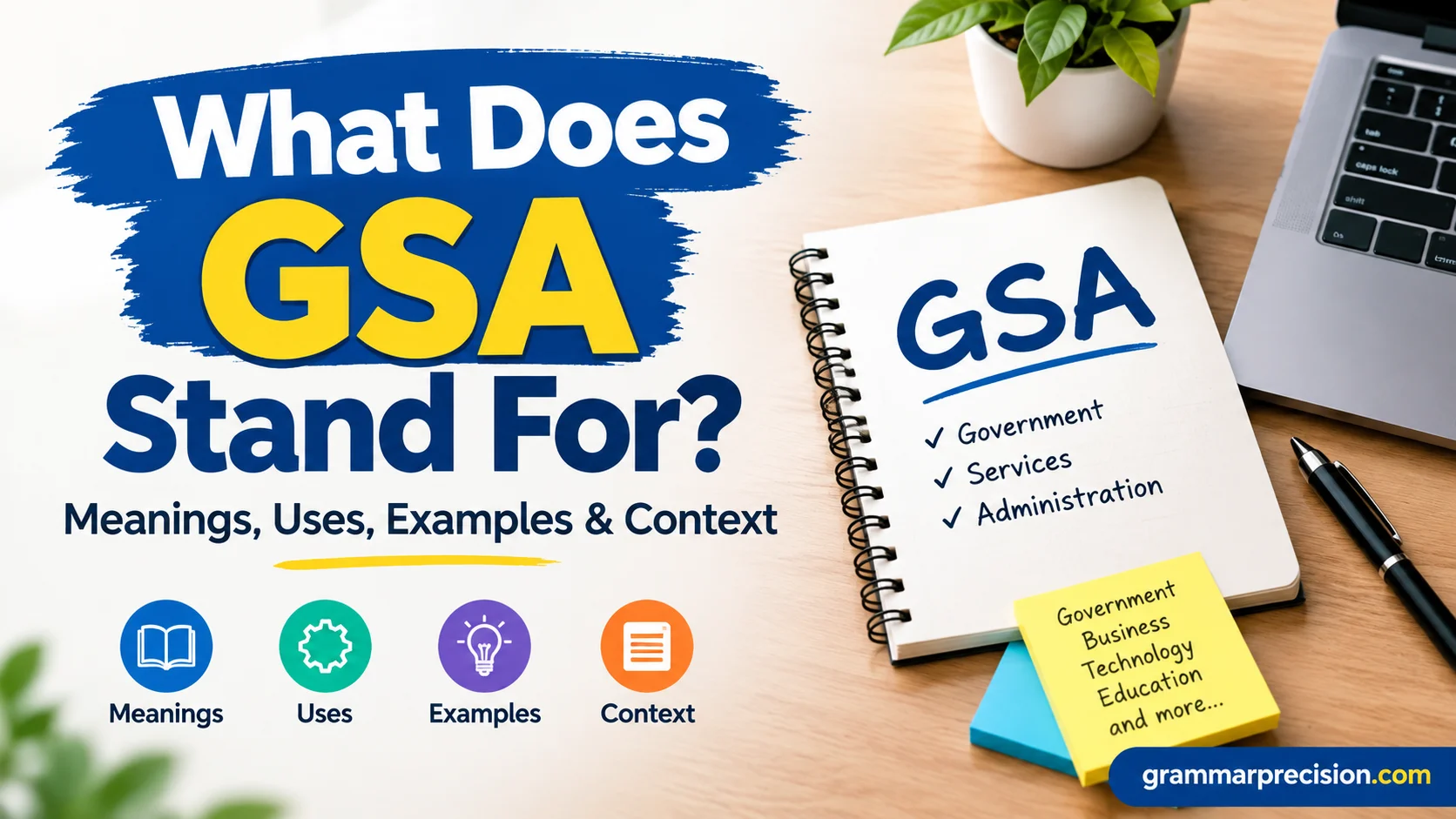
Have you ever seen GSA in a message, calendar, or business document and wondered what it means? What Does GSA ...
Read more
What Does SSI Stand For? Definitions, Uses & Examples
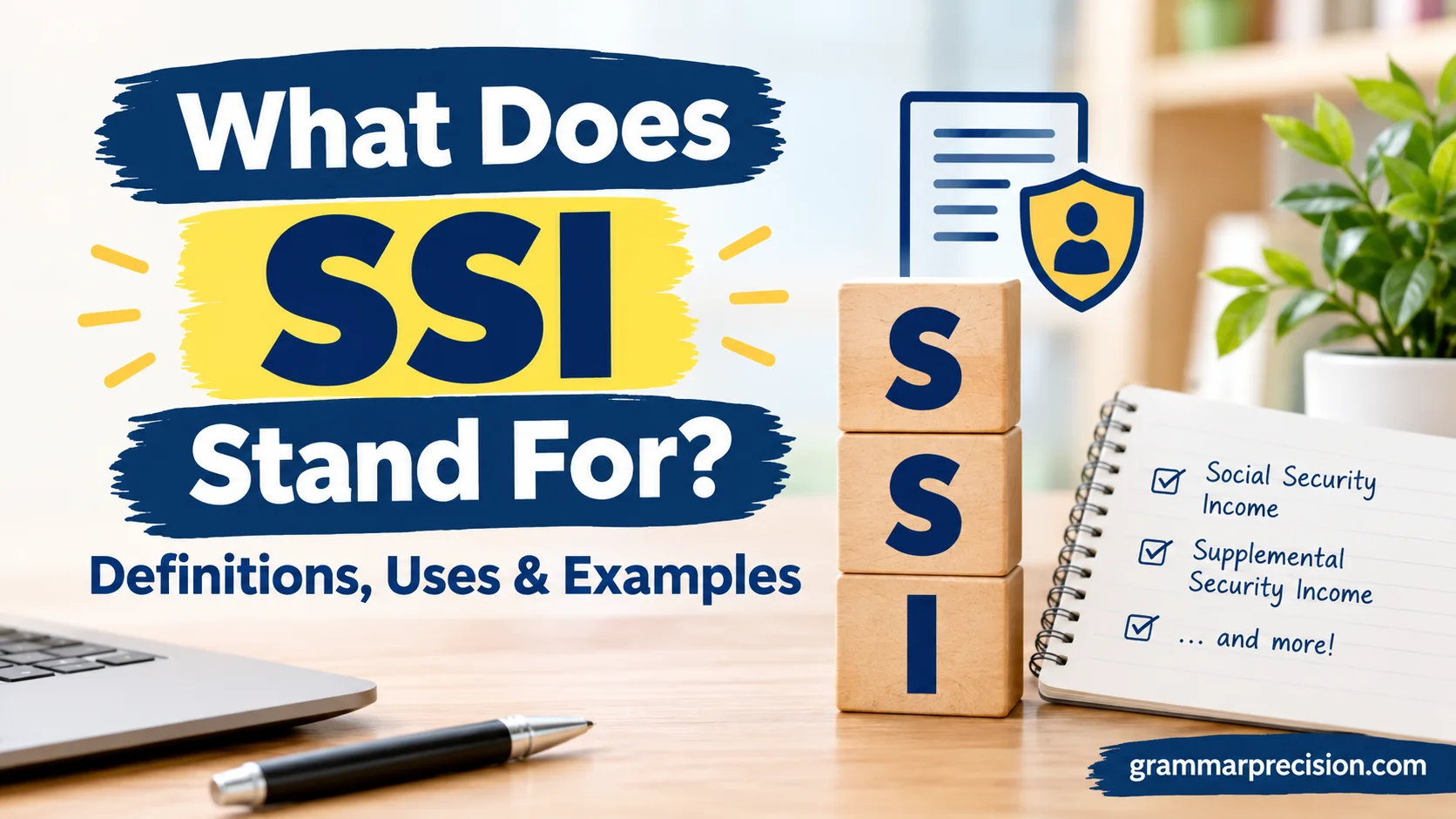
Have you ever seen SSI in a calendar, message, or business document and wondered, “What does SSI stand for?” This ...
Read more
Stand for Animals: Grammar, Examples & Natural Usage

Have you ever wondered what “stand for animals” actually means in everyday English? The phrase can appear in formal writing, ...
Read more
Port vs. Starboard: A Complete Guide to Ship Directions

Understanding Port vs. Starboard can feel confusing at first, especially if you rarely travel by boat. These two nautical terms ...
Read more
Yep vs. Yup: Meaning, Differences, Usage, Tone & Examples
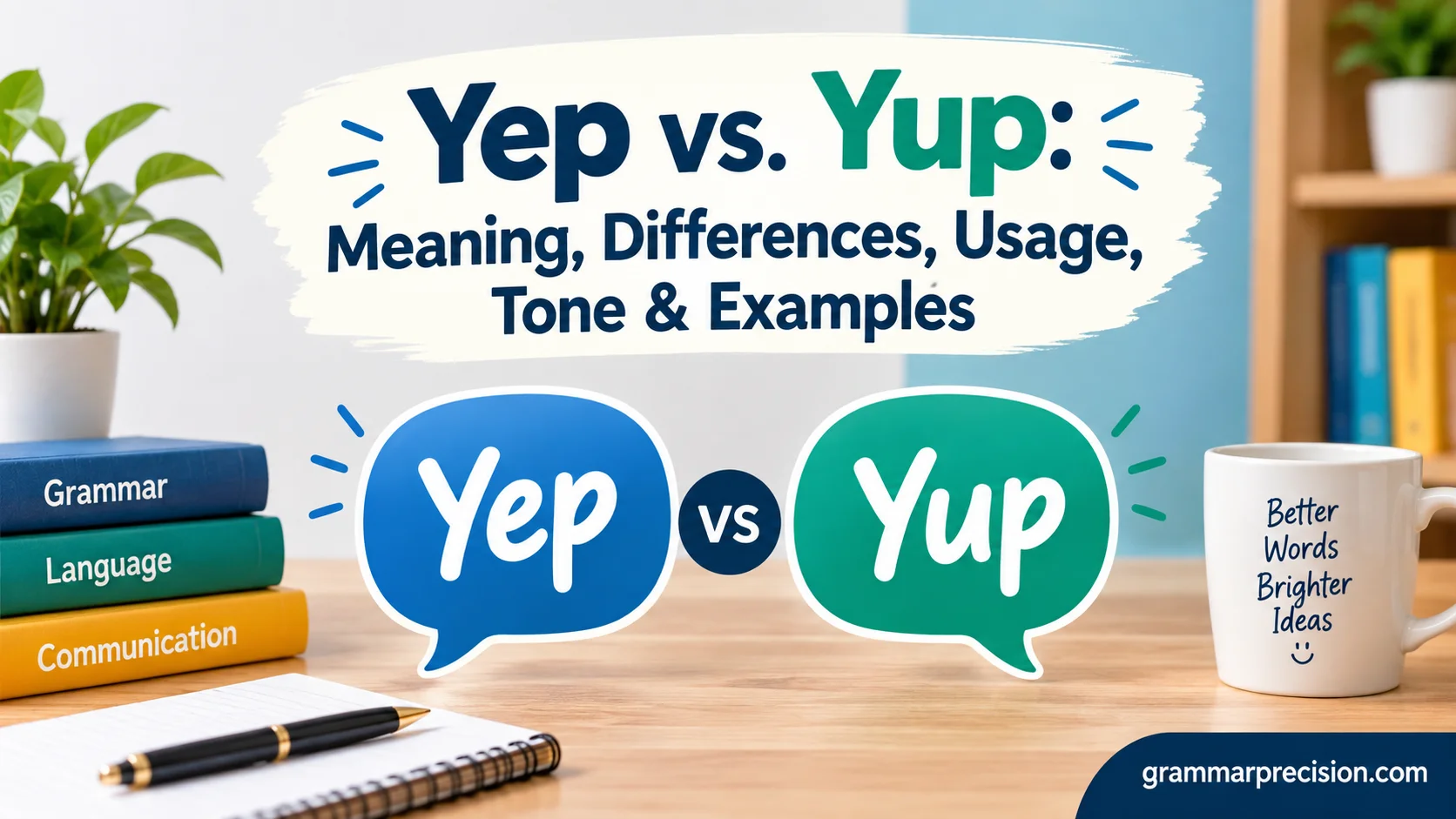
If you’ve ever wondered whether “yep” or “yup” sounds better, you’re not alone. The difference is small, but each word ...
Read more
Brief vs. Debrief: Meaning, Grammar, Differences & Examples
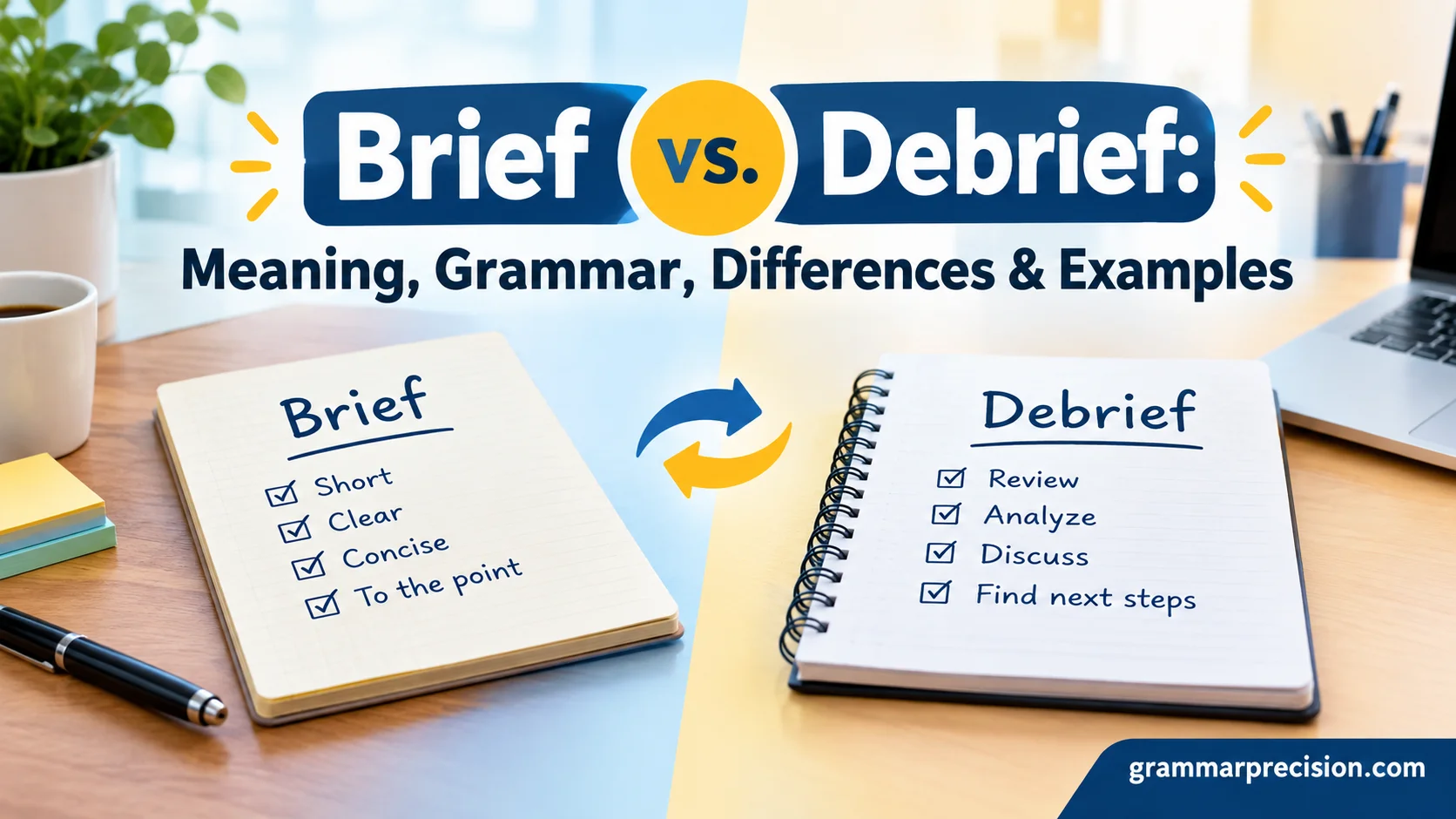
Brief vs. Debrief can seem confusing because both words relate to sharing information. However, they serve different purposes in everyday ...
Read more
Accessible To or For: Meaning, Rules, & Examples
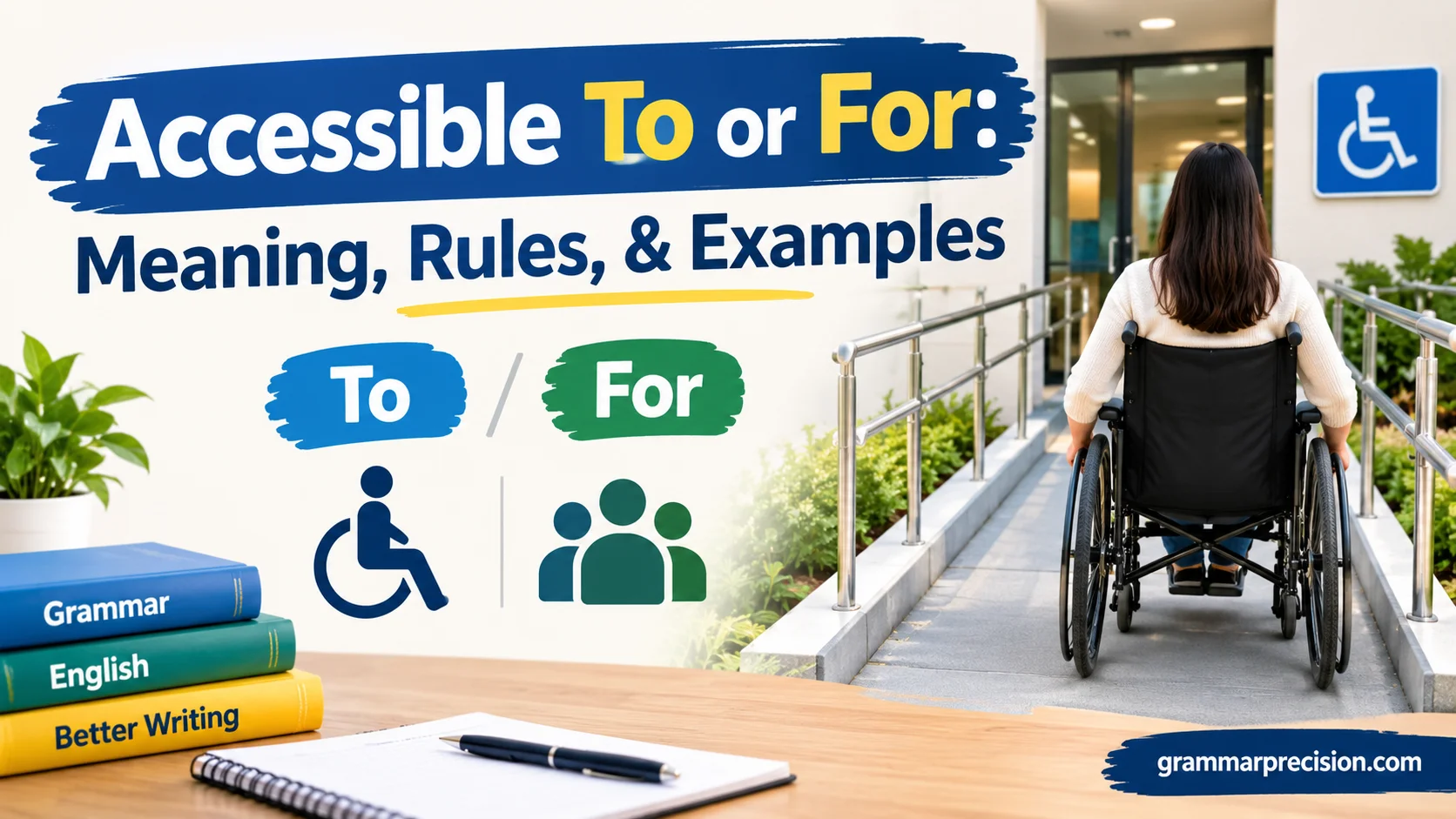
Accessible To or For can be confusing because both prepositions may seem correct in everyday English. However, they serve different ...
Read more
Elfs vs. Elves: Spelling, Meaning, & Pronunciation
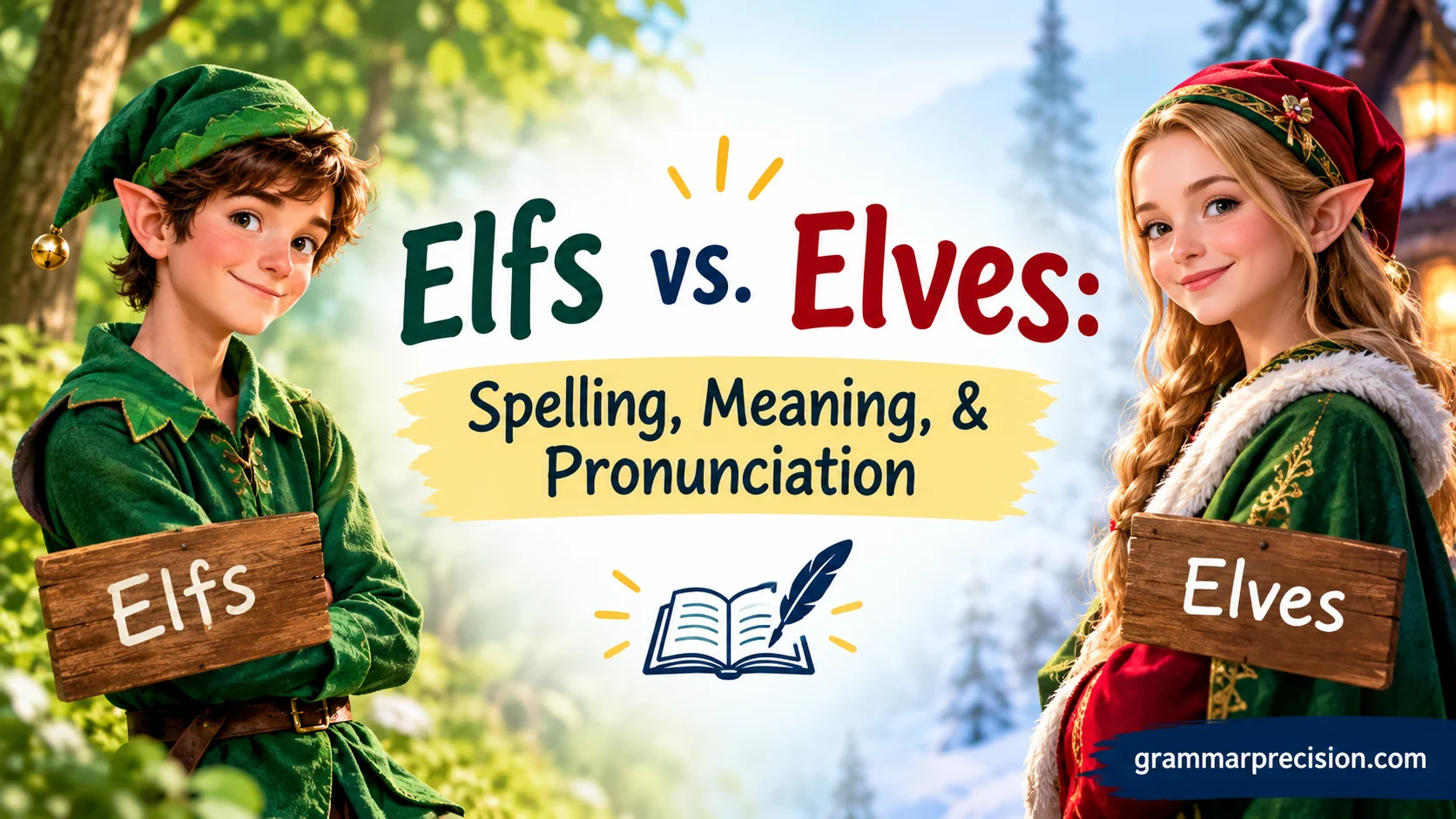
Elfs vs. Elves can be confusing because both words may look correct at first glance. However, only one form is ...
Read more
Happy Belated Birthday or Belated Happy Birthday
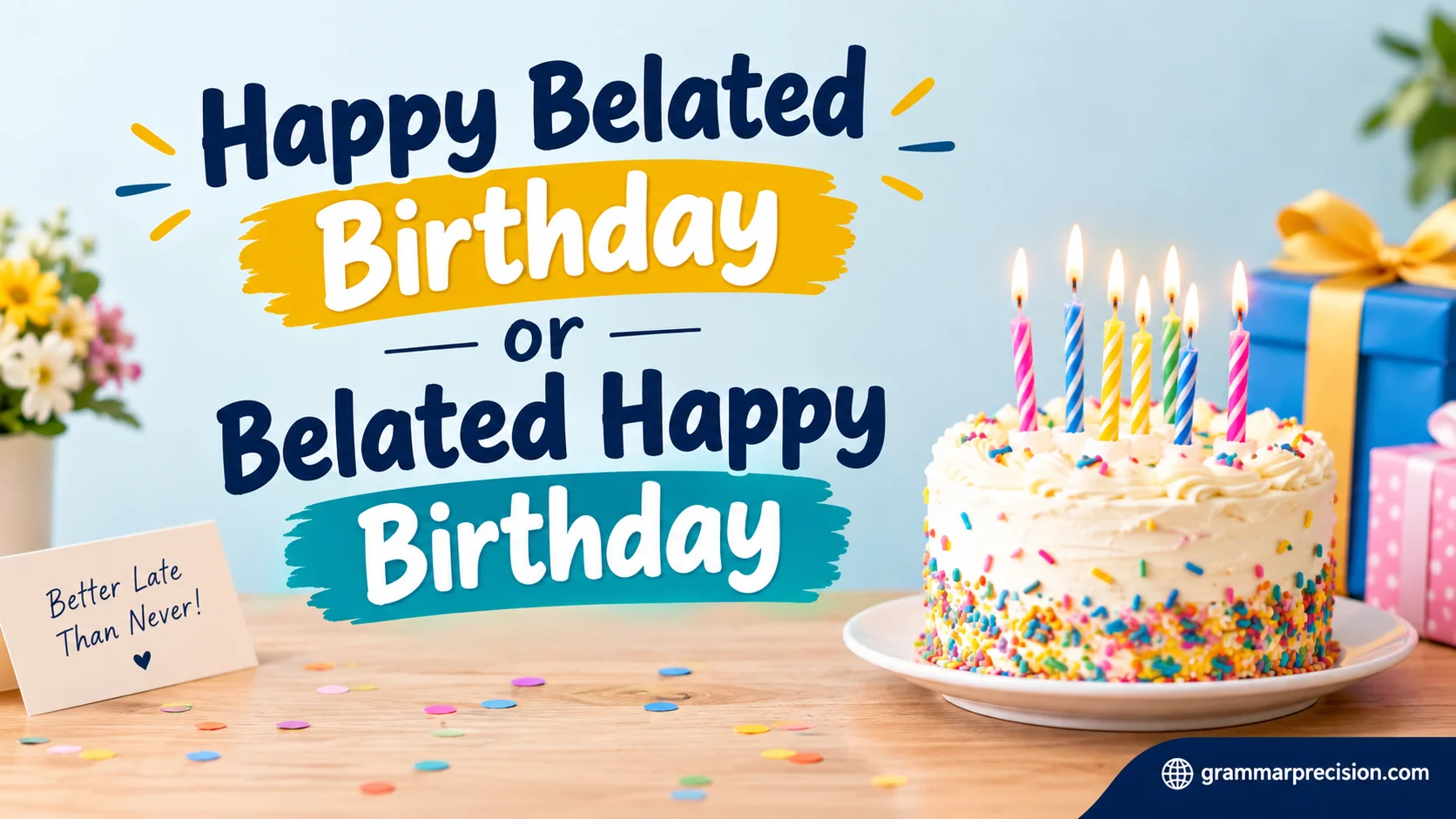
Choosing between Happy Belated Birthday or Belated Happy Birthday can feel confusing when you want your birthday message to sound ...
Read more
Negligence vs. Neglect: How to Tell the Difference Every Time
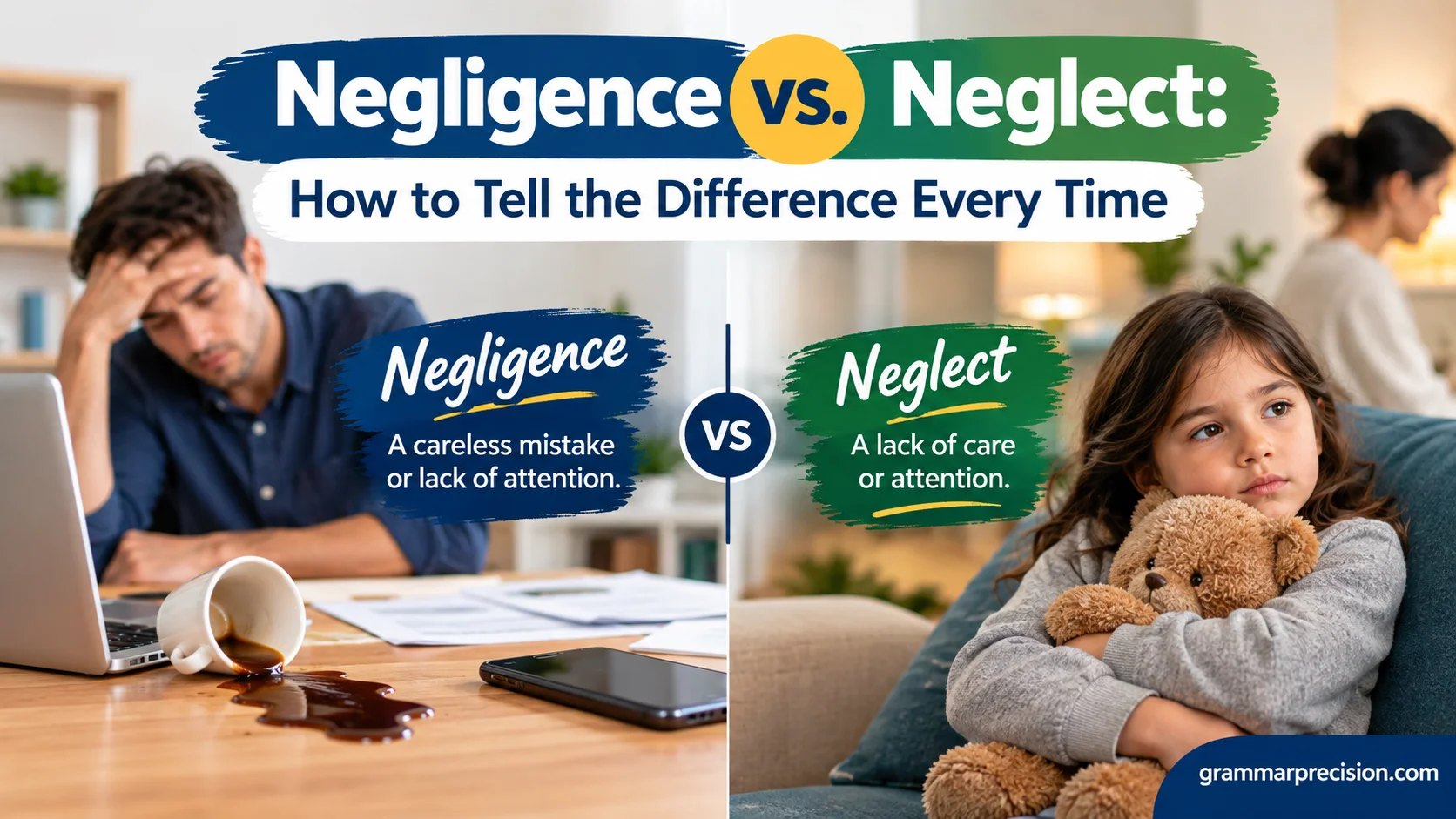
Negligence vs. Neglect can seem confusing because both words describe a failure to give proper care or attention. However, they ...
Read more