Crews vs. Cruise: What’s the Difference and When Should You Use Each?
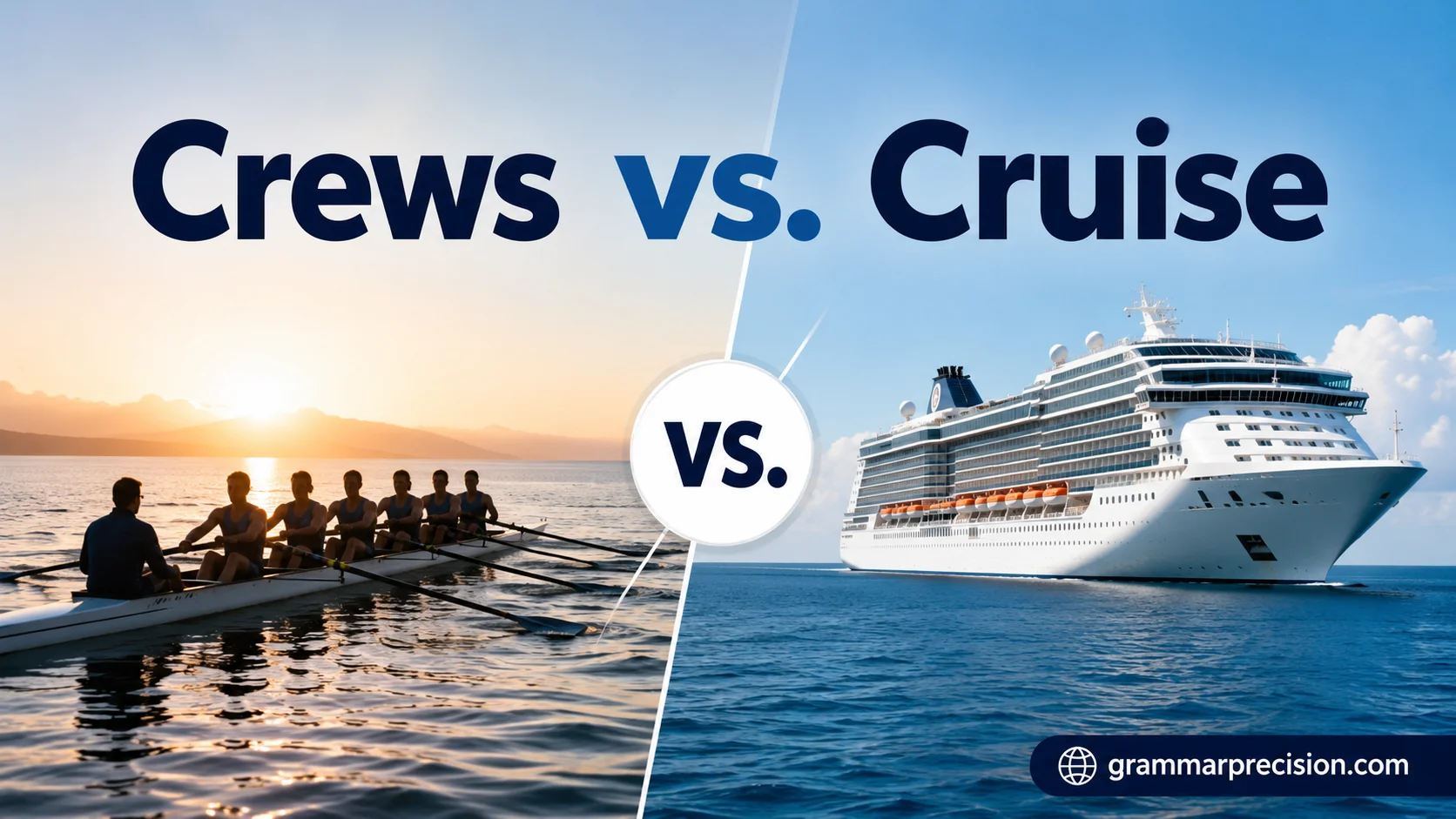
Crews vs. Cruise: What’s the Difference and When Should You Use Each? explains the difference between these two commonly confused ...
Read more
Work Alongside You or. Work Alongside With You: Correct Usage With Examples

Work Alongside You vs. Work Alongside With You is an important grammar comparison that helps learners understand the correct usage, ...
Read more
Switch vs. Swap: Why One Means Change and the Other Means Exchange
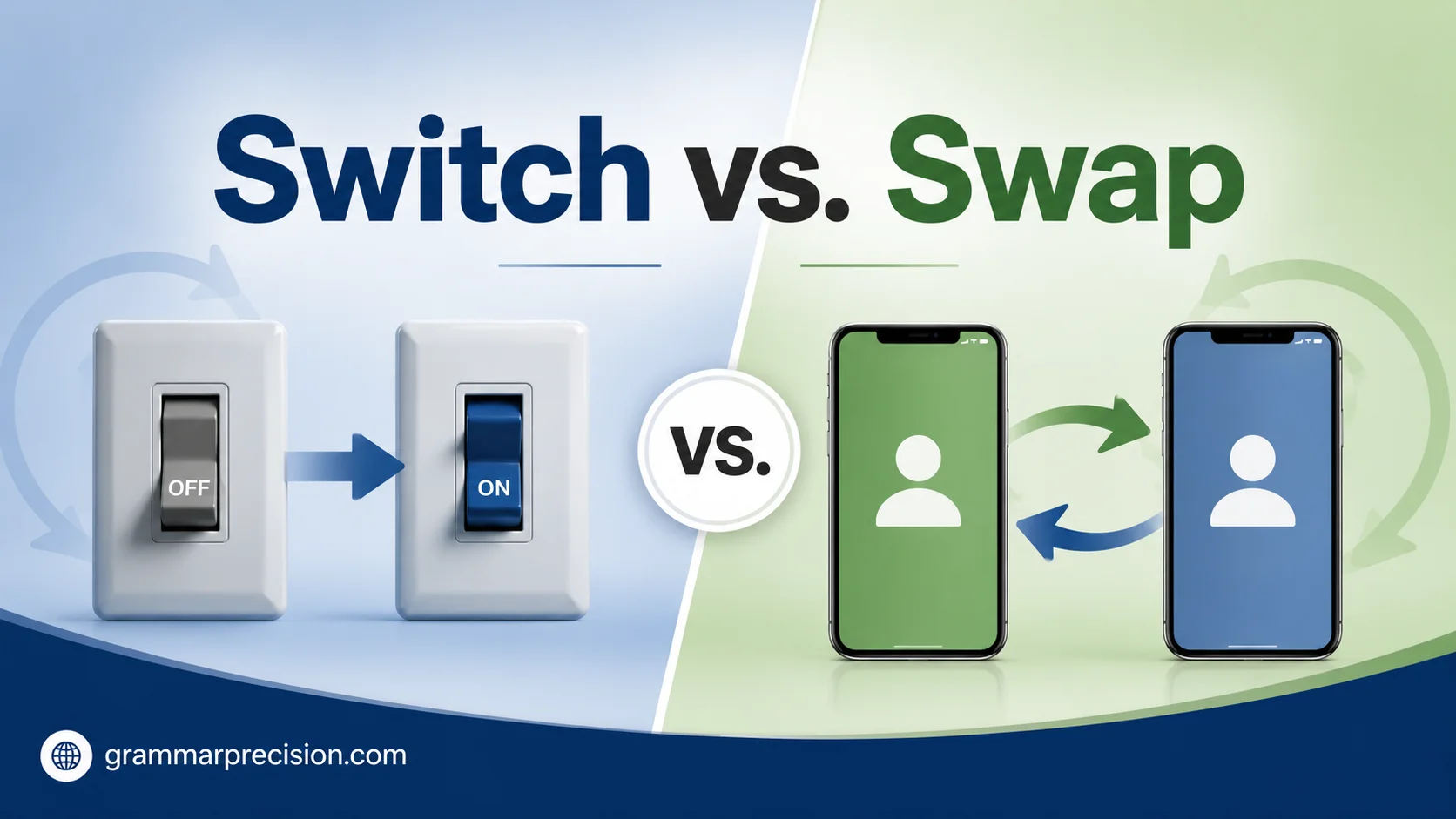
Switch vs. Swap: Why One Means Change and the Other Means Exchange Switch vs. Swap explains the difference between two ...
Read more
I Ordered vs. I Have Ordered: The Complete Guide To Understand
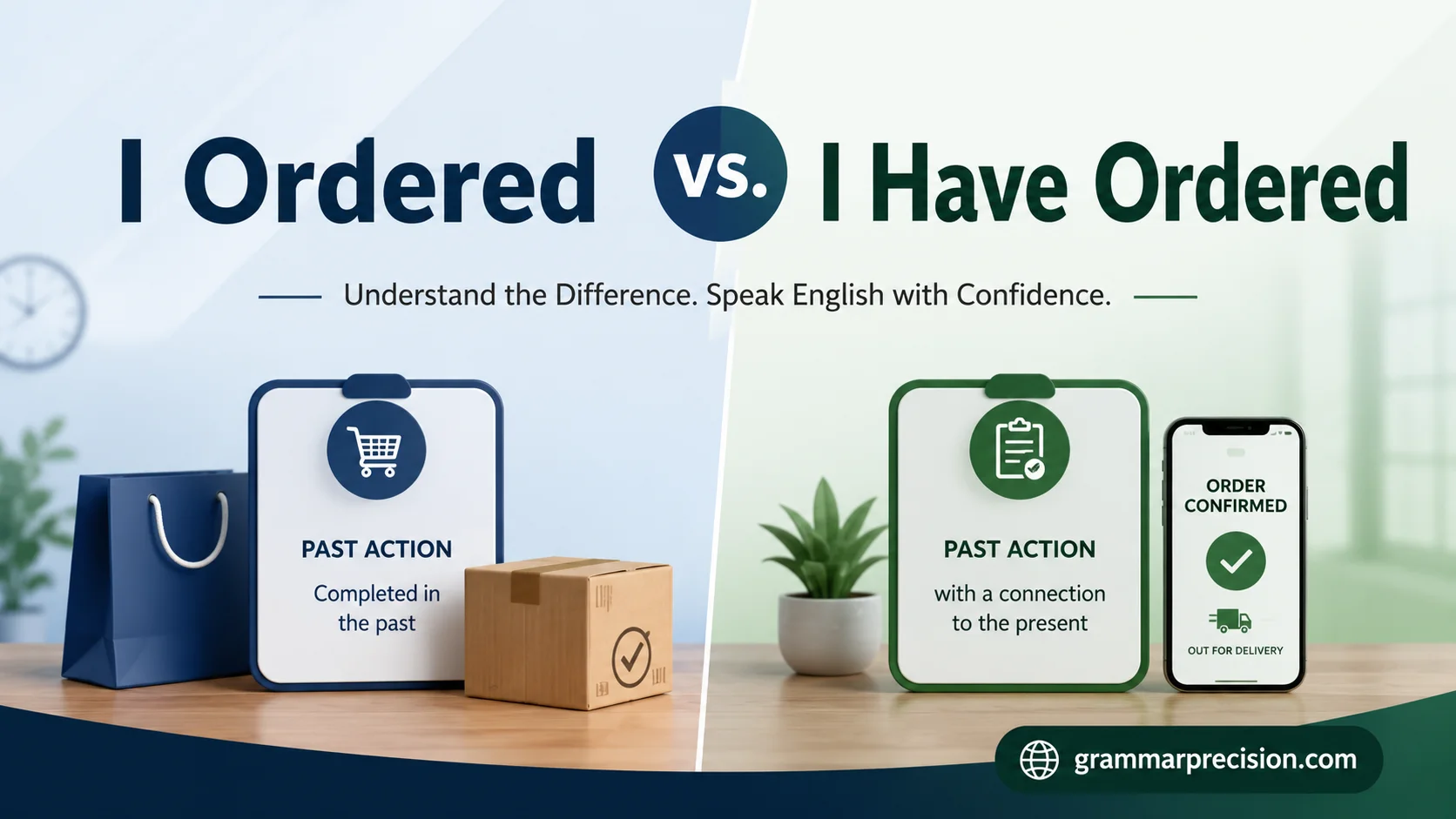
I Ordered vs. I Have Ordered explains how tense changes the meaning of a sentence. This guide helps understand the ...
Read more
Insight vs. Incite: The Complete Word Usage Guide
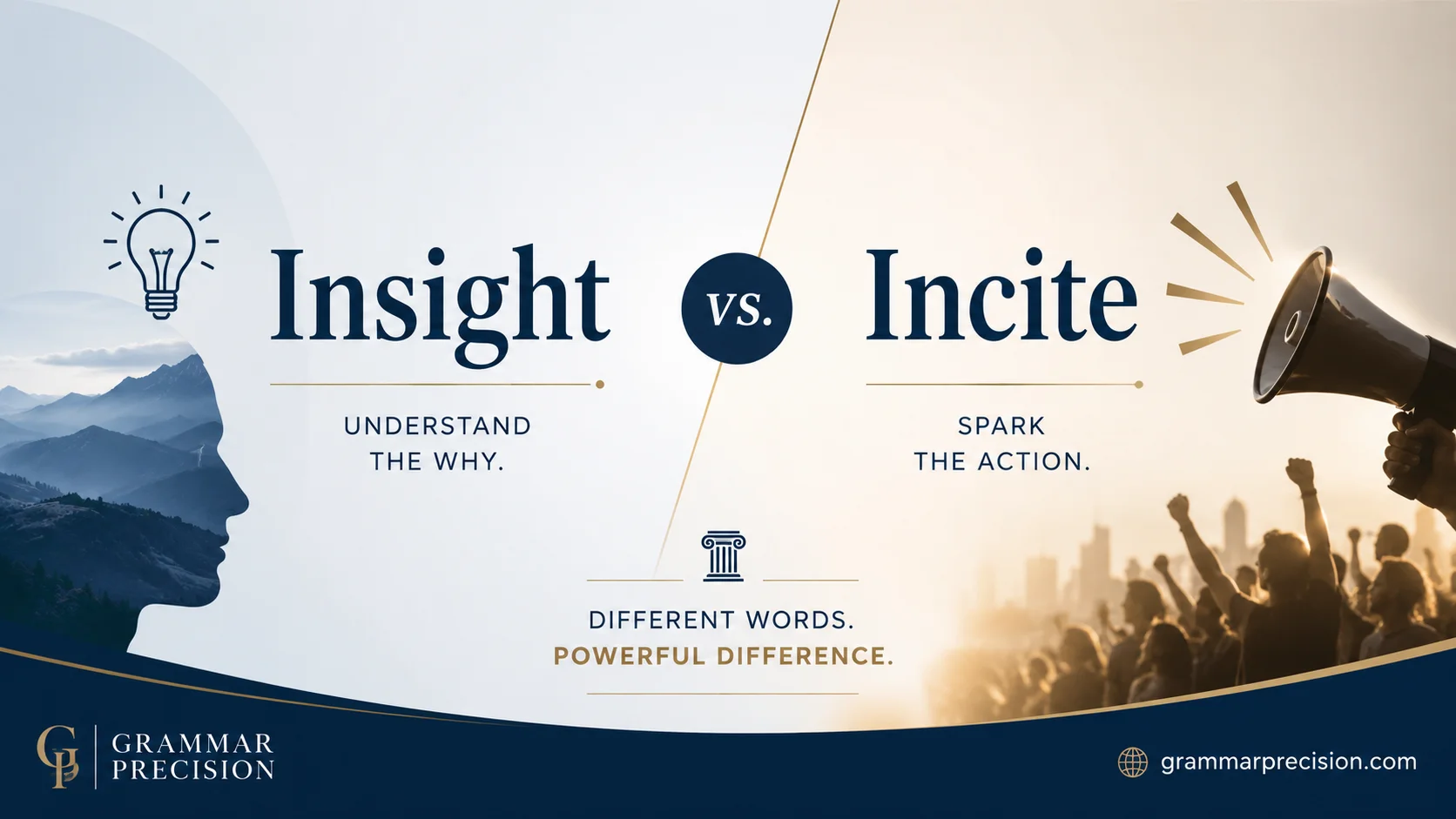
Insight vs. Incite explains how similar words create confusion. Understanding their meaning, usage, and context helps writers choose the correct ...
Read more
Reckless or Wreckless: Meaning And Difference With Examples
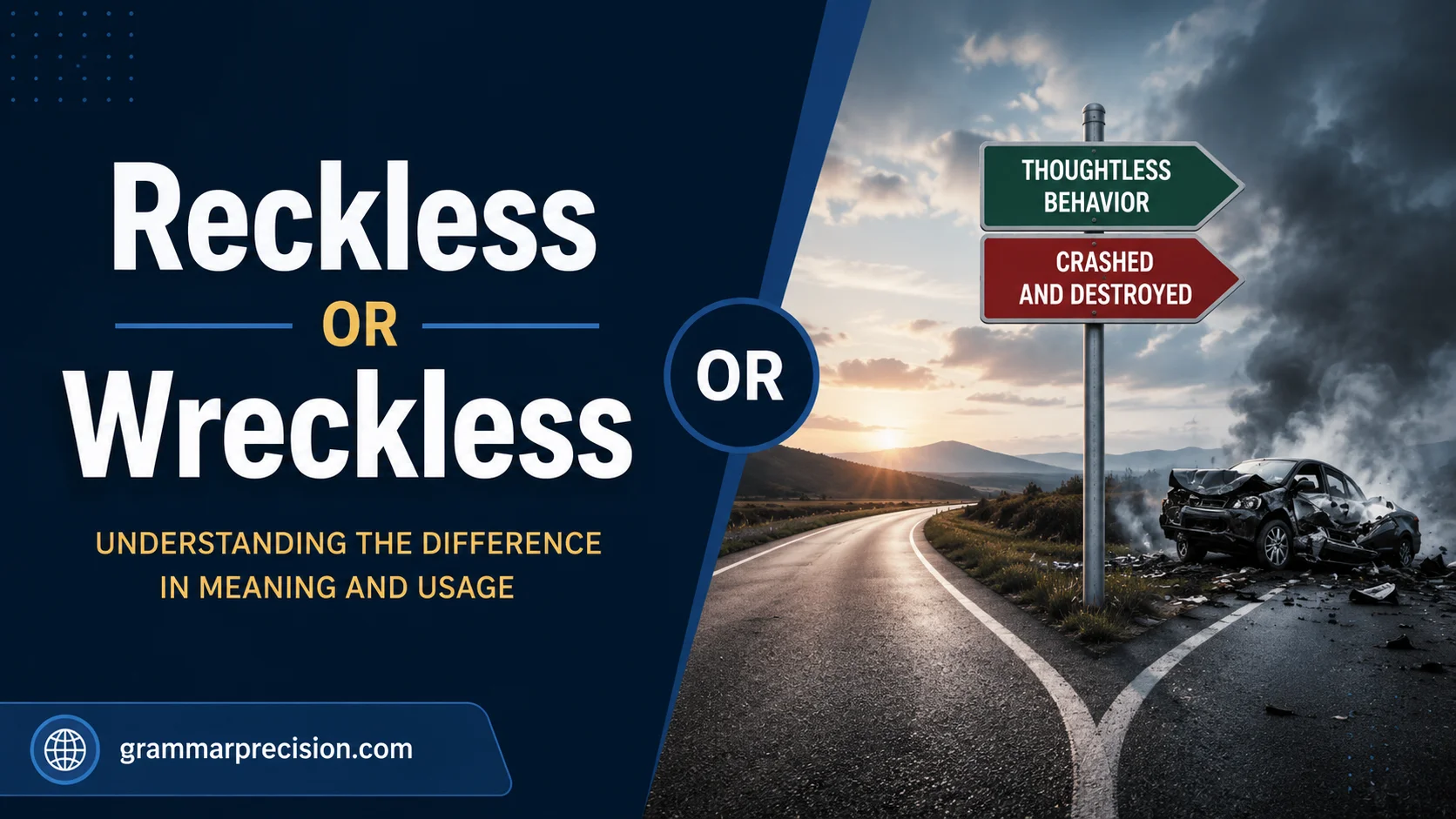
Understanding Reckless or Wreckless is important for clear communication. Many people confuse these terms, but only reckless is correct. Learning ...
Read more
Much Needed vs Much-Needed: The Ultimate Grammar Guide
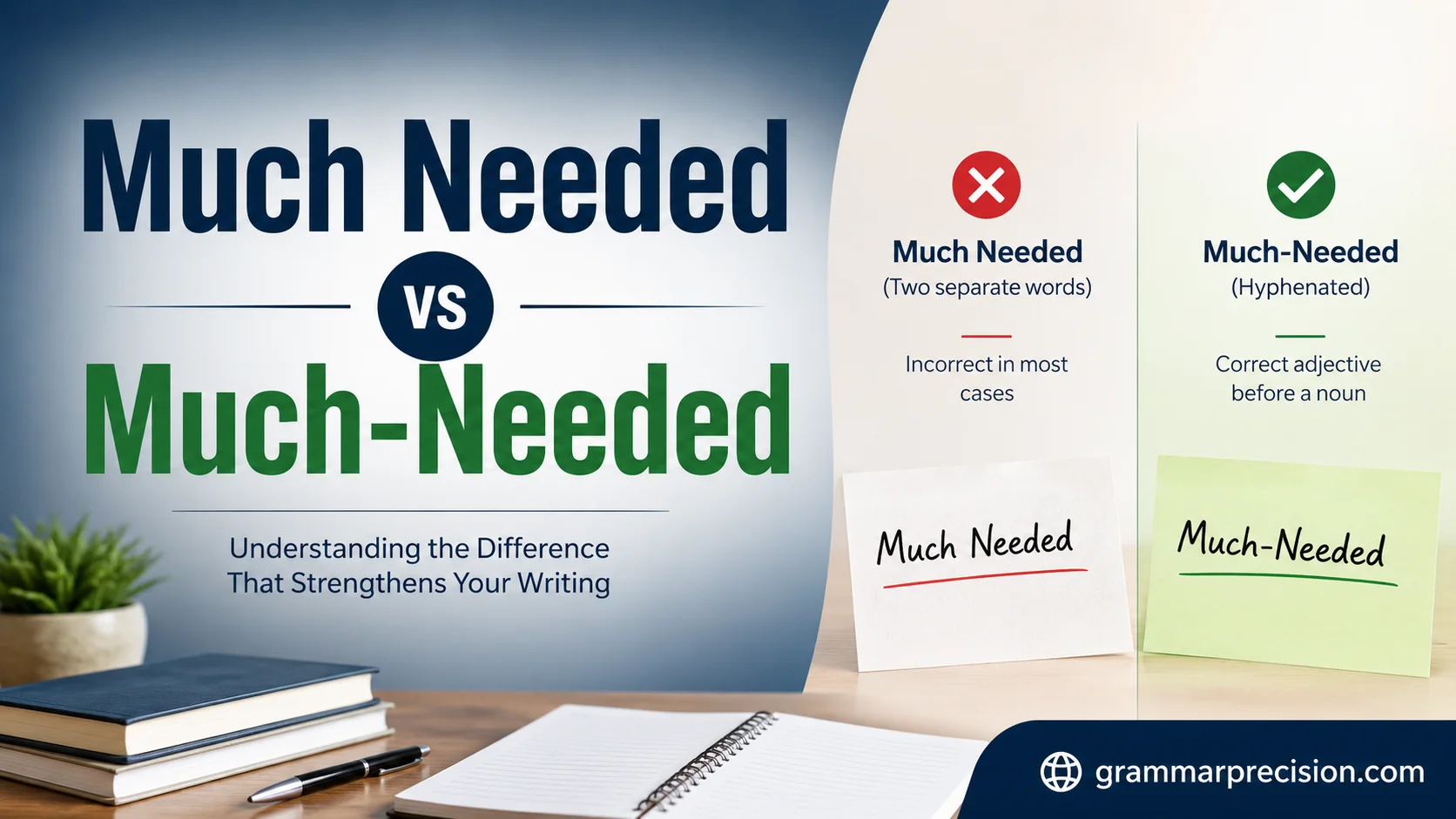
Much Needed vs Much-Needed: Understanding the difference between these phrases helps improve English grammar, writing clarity, and correct hyphen usage. ...
Read more
Thank You Very Much vs Thank You So Much: Real Life Differences Explained
Thank You Very Much vs Thank You So Much explains the difference between two common gratitude expressions. Both show appreciation, ...
Read more
Lies Ahead vs Lays Ahead: The Complete Grammar Guide
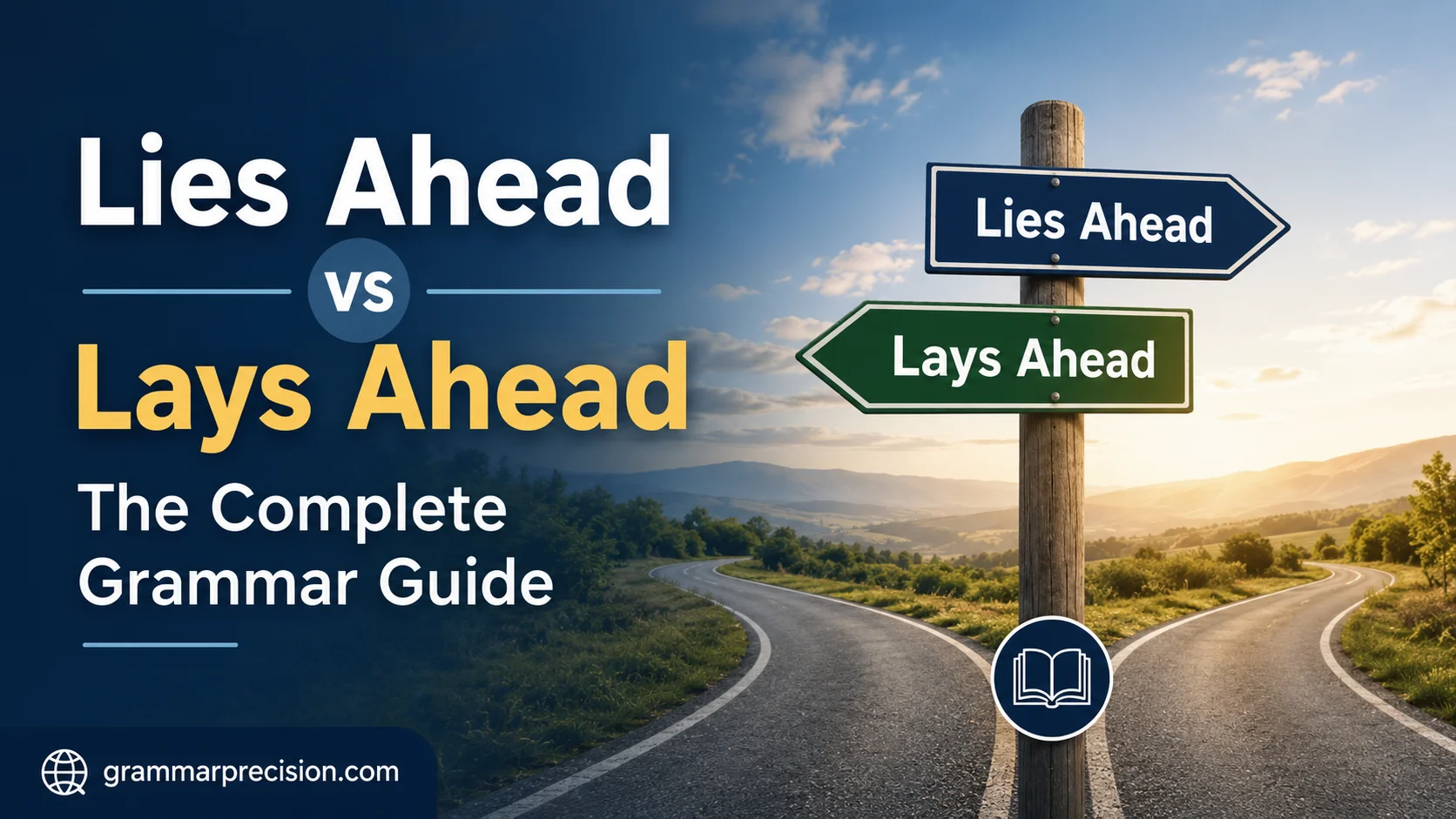
Lies Ahead vs Lays Ahead is a common grammar confusion that leaves learners unsure about correct usage in writing, speaking, ...
Read more
Stop Confusing “Where They Are” and “Where They’re At”: A Clear Grammar Guide
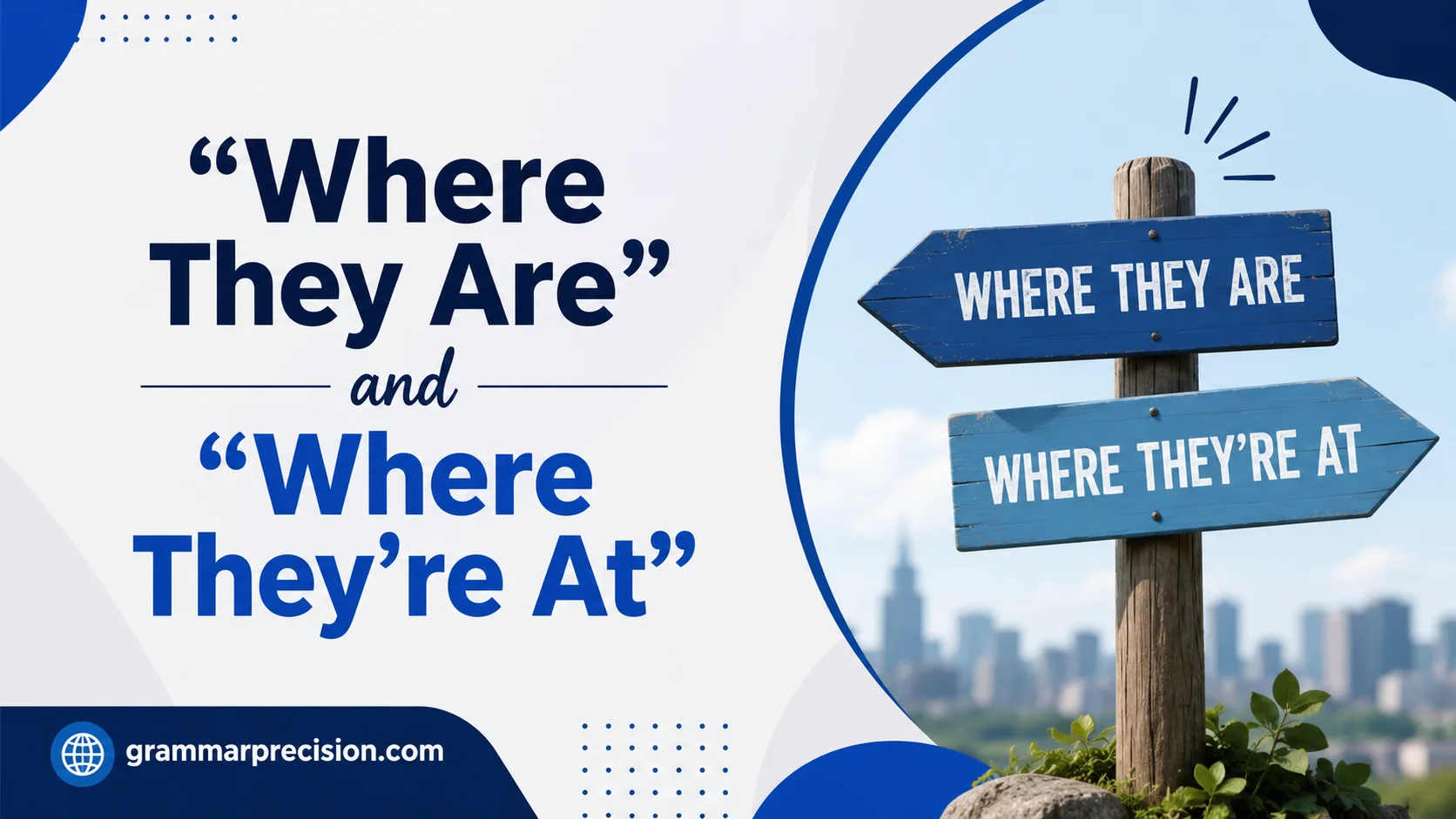
Where They Are vs. Where They’re At shows a common English dilemma for learners about usage, context, grammar, communication, meaning, ...
Read more