Copula Verbs vs Auxiliary Verbs
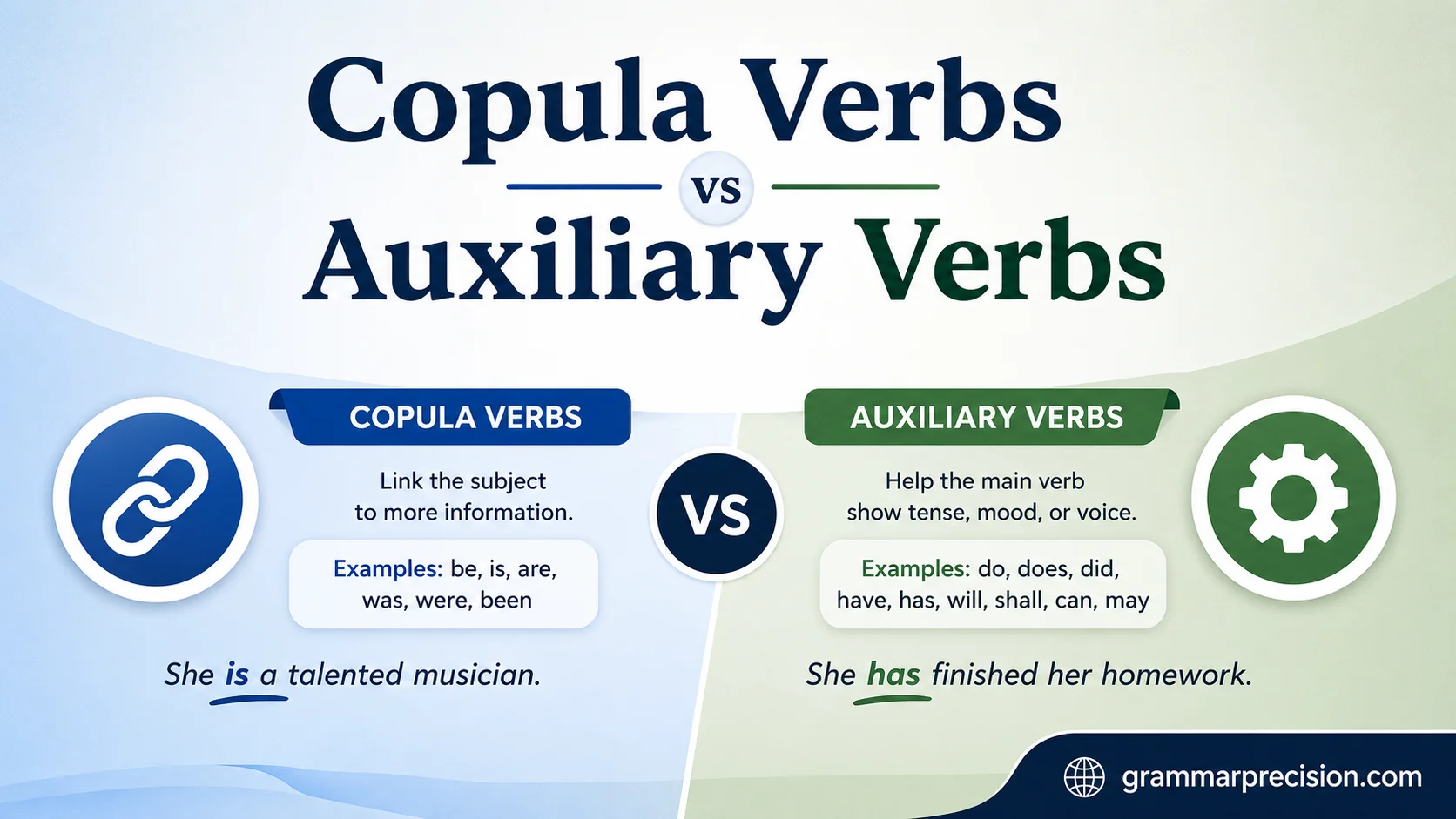
Copula Verbs vs Auxiliary Verbs is an important grammar topic that helps learners understand verb functions, sentence meaning, and language ...
Read more
No Problem vs. Not a Problem
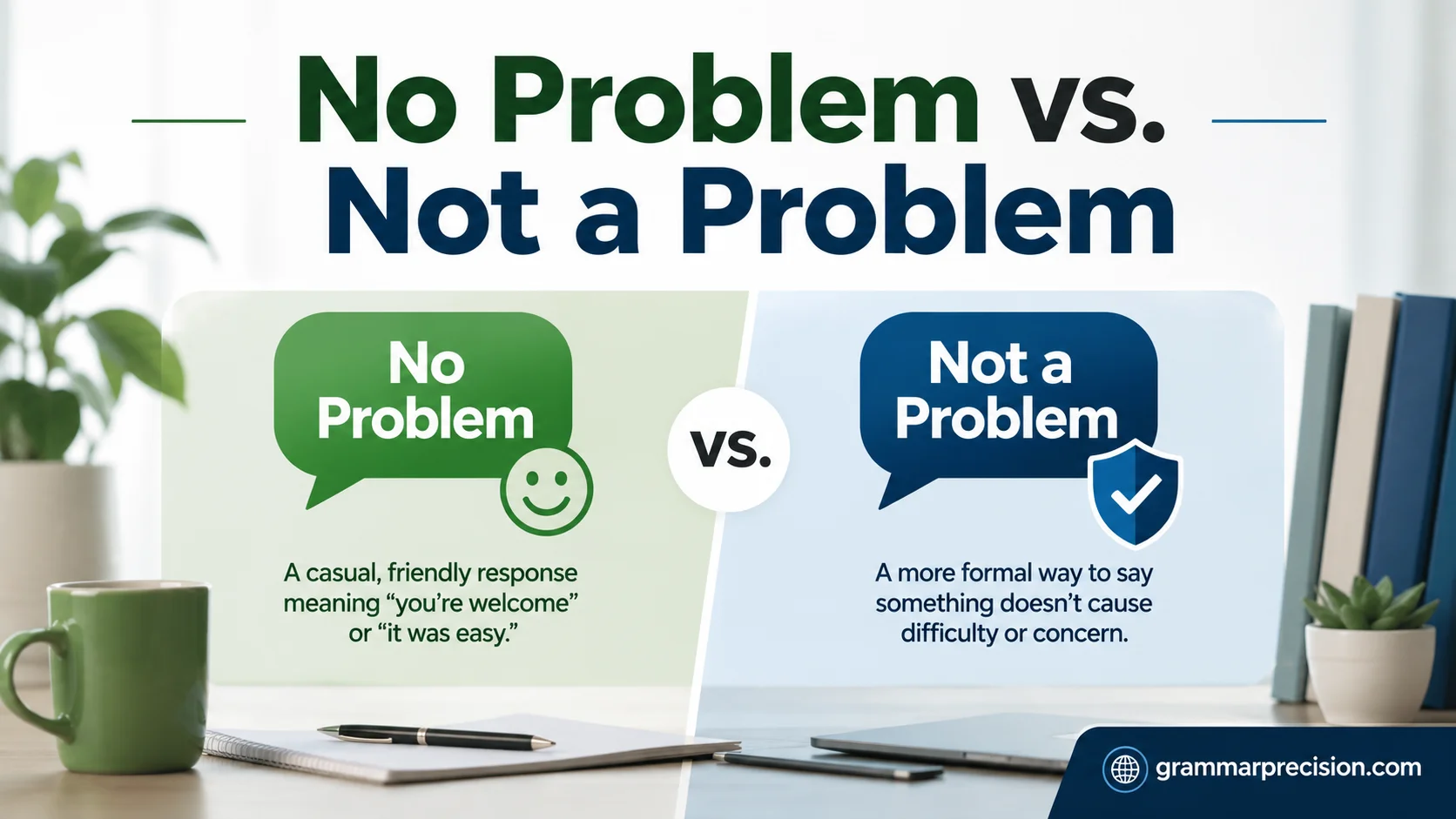
No Problem vs. Not a Problem highlights small differences in everyday communication. Both phrases sound polite, but context, tone, and ...
Read more
Informational vs Informative

In practice, I noticed Informational vs Informative writing changes how readers learn. One gives facts and data, while the other ...
Read more
Deactivate vs Inactivate
Deactivate vs Inactivate creates confusion in daily communication because many people misunderstand their usage, meaning, and technical contexts when working ...
Read more
See vs Look vs Watch

See vs Look vs Watch is a common confusion in English where learners struggle to understand how see, look, and ...
Read more
Please Advise vs Please Advice
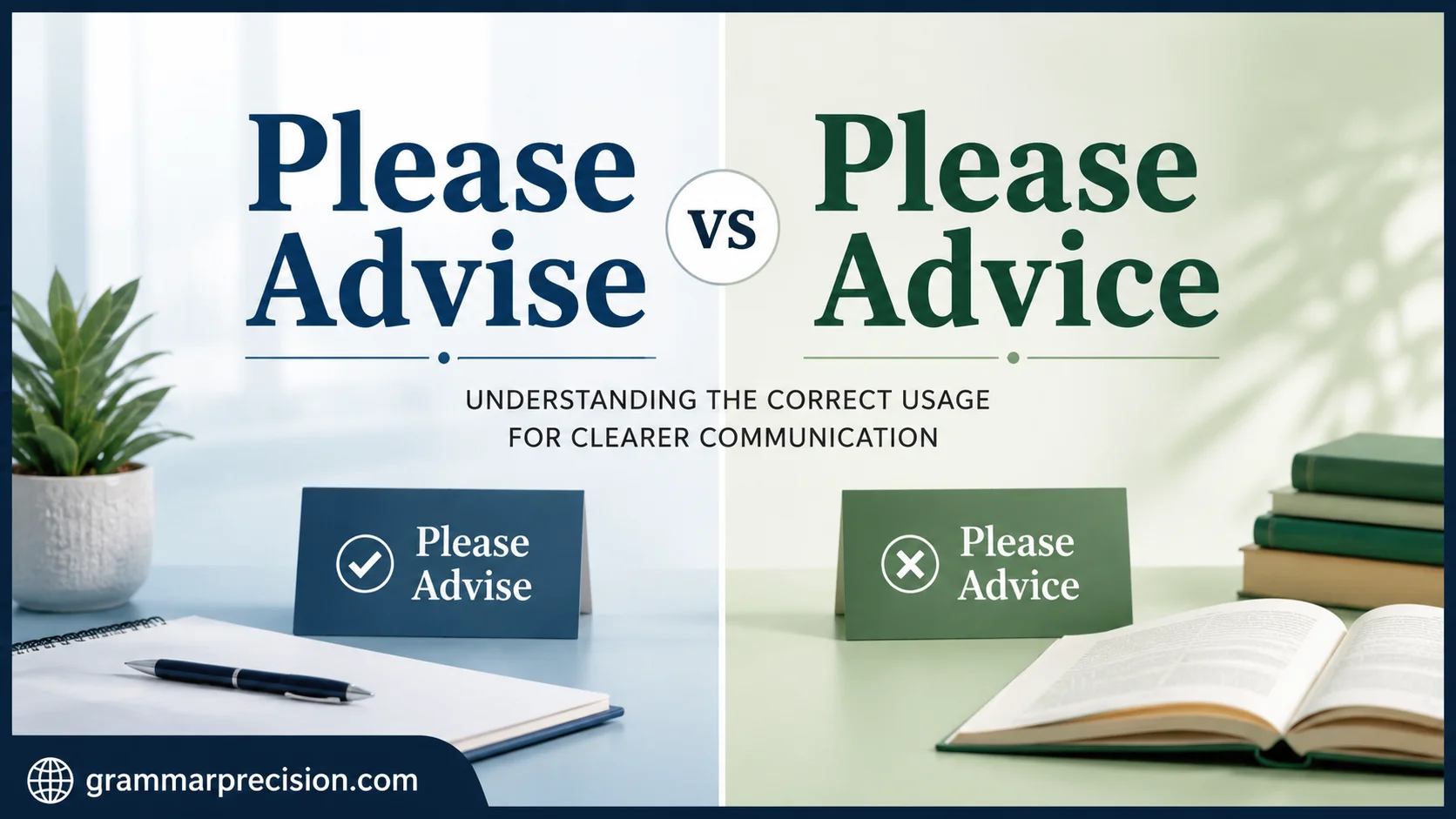
Please Advise vs Please Advice is confusing but correct usage depends on grammar rules and formal email communication clarity so ...
Read more
Sleeve vs Sleave

Sleeve vs Sleave is often confusing for English speakers, but correct usage, meaning, and context help in clear writing, avoiding ...
Read more
Wasn’t vs Weren’t
Wasn’t vs Weren’t helps English learners fix confusion in grammar, especially in speech, where subject, tense, and context decide correct ...
Read more
Honor vs Honour
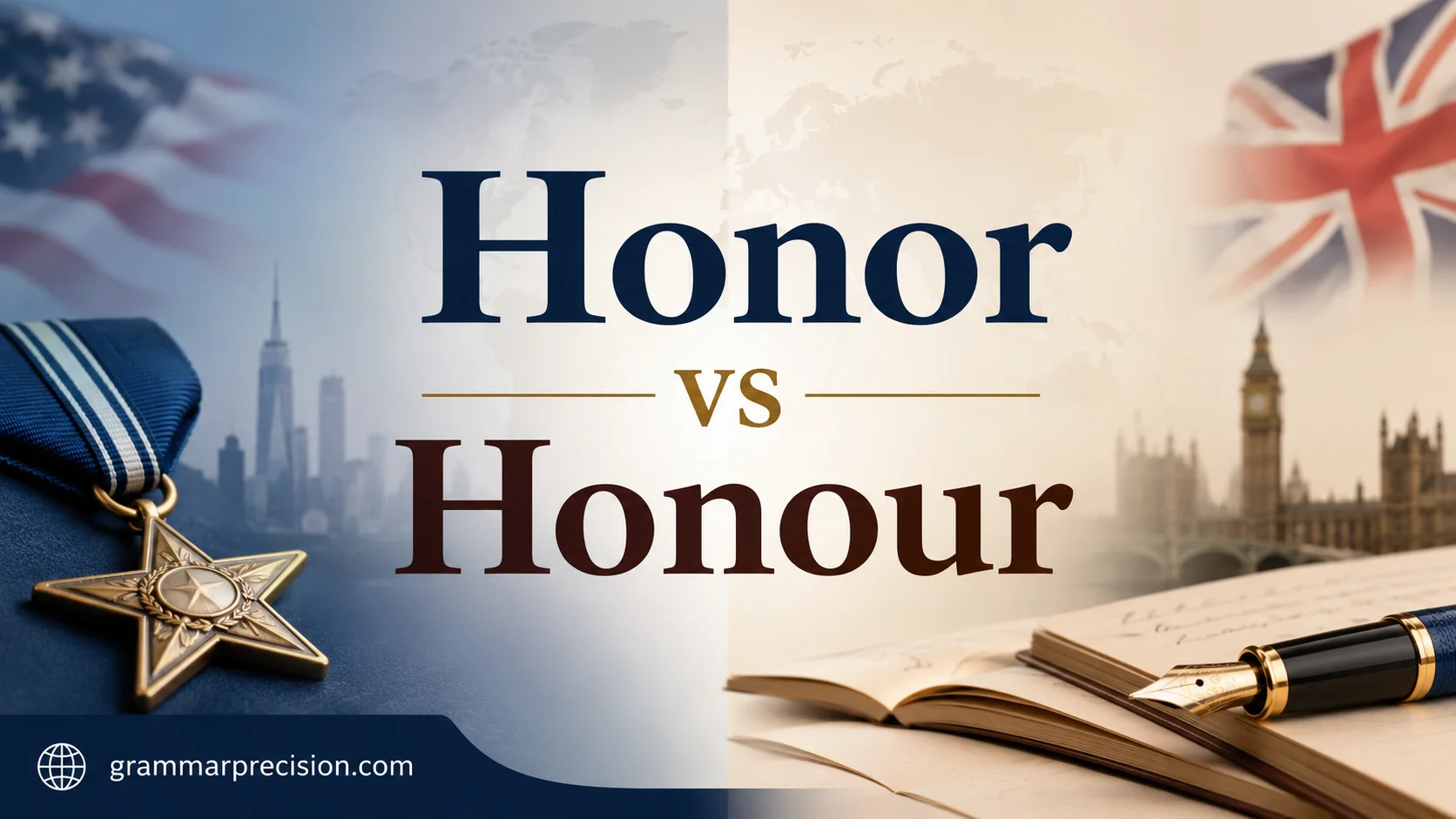
Honor vs Honour highlights a spelling difference between American and British English. Both words share the same meaning and represent ...
Read more
Collaborate vs Corroborate

Collaborate vs Corroborate is a common confusion in English. While collaborate means working together toward a shared goal, corroborate means ...
Read more