Is Done or Has Been Done? A Clear Guide to the Difference
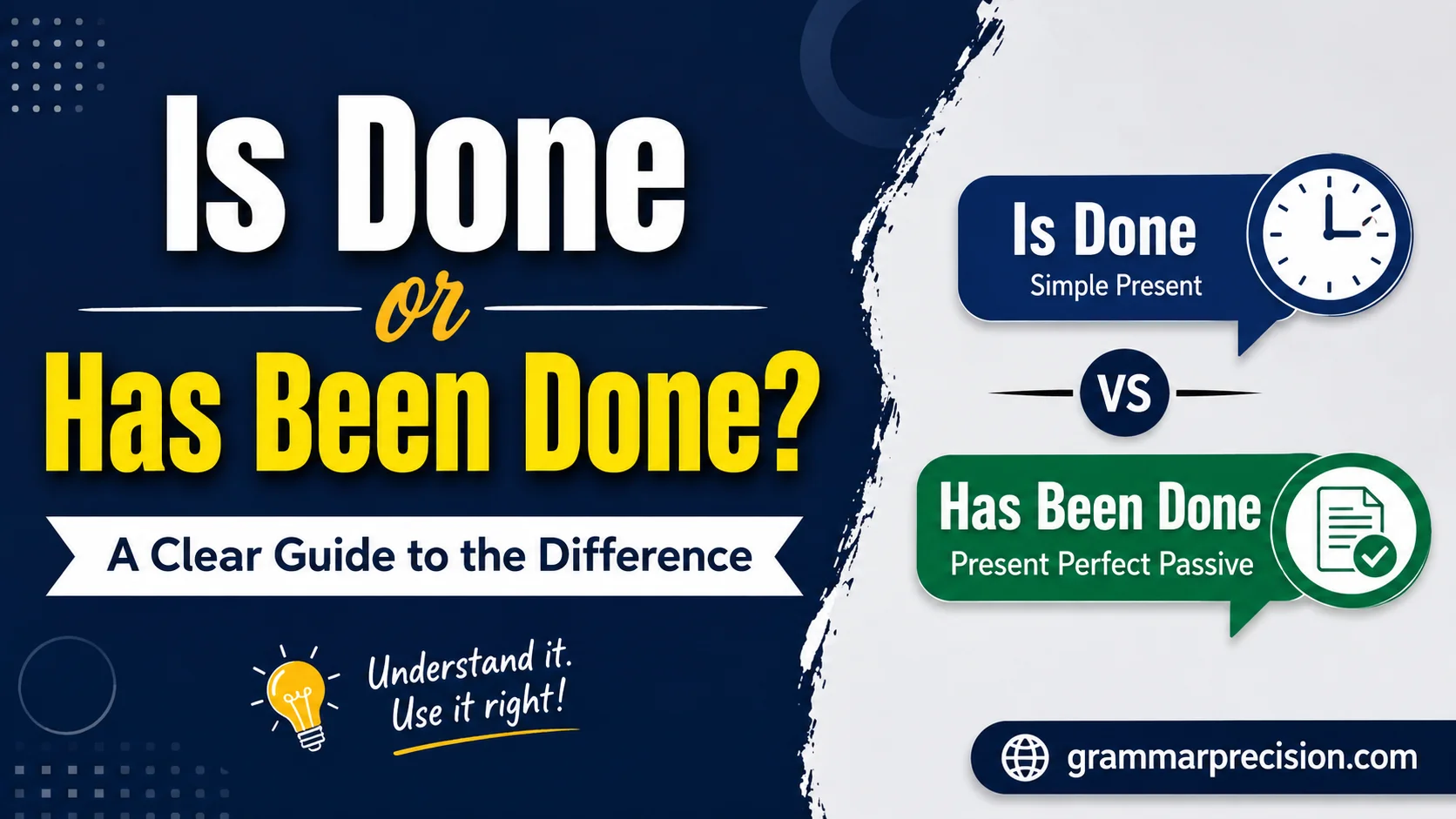
Is Done or Has Been Done can be confusing when you’re choosing the correct verb form. This guide explains their ...
Read more
Good to Hear vs Glad to Hear: Which Is Correct?
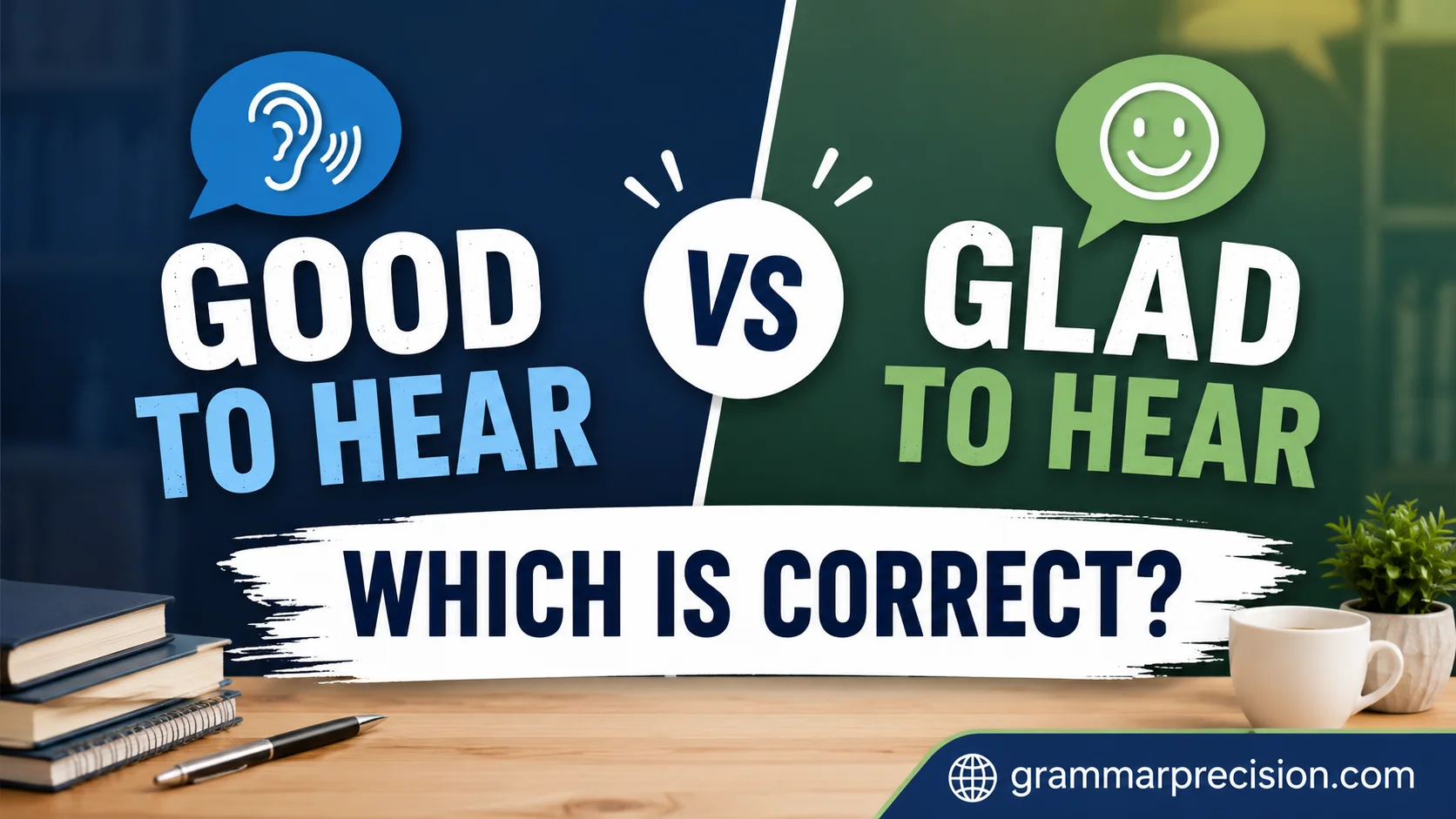
Good to Hear vs Glad to Hear explains how these phrases share a similar meaning but can show different levels ...
Read more
Moreso or More So? Which Is Correct? (With Examples)
Moreso or More So is a common confusion in English writing, but more so is the standard form. It’s safer ...
Read more
Lighted vs Lit: What’s the Difference?
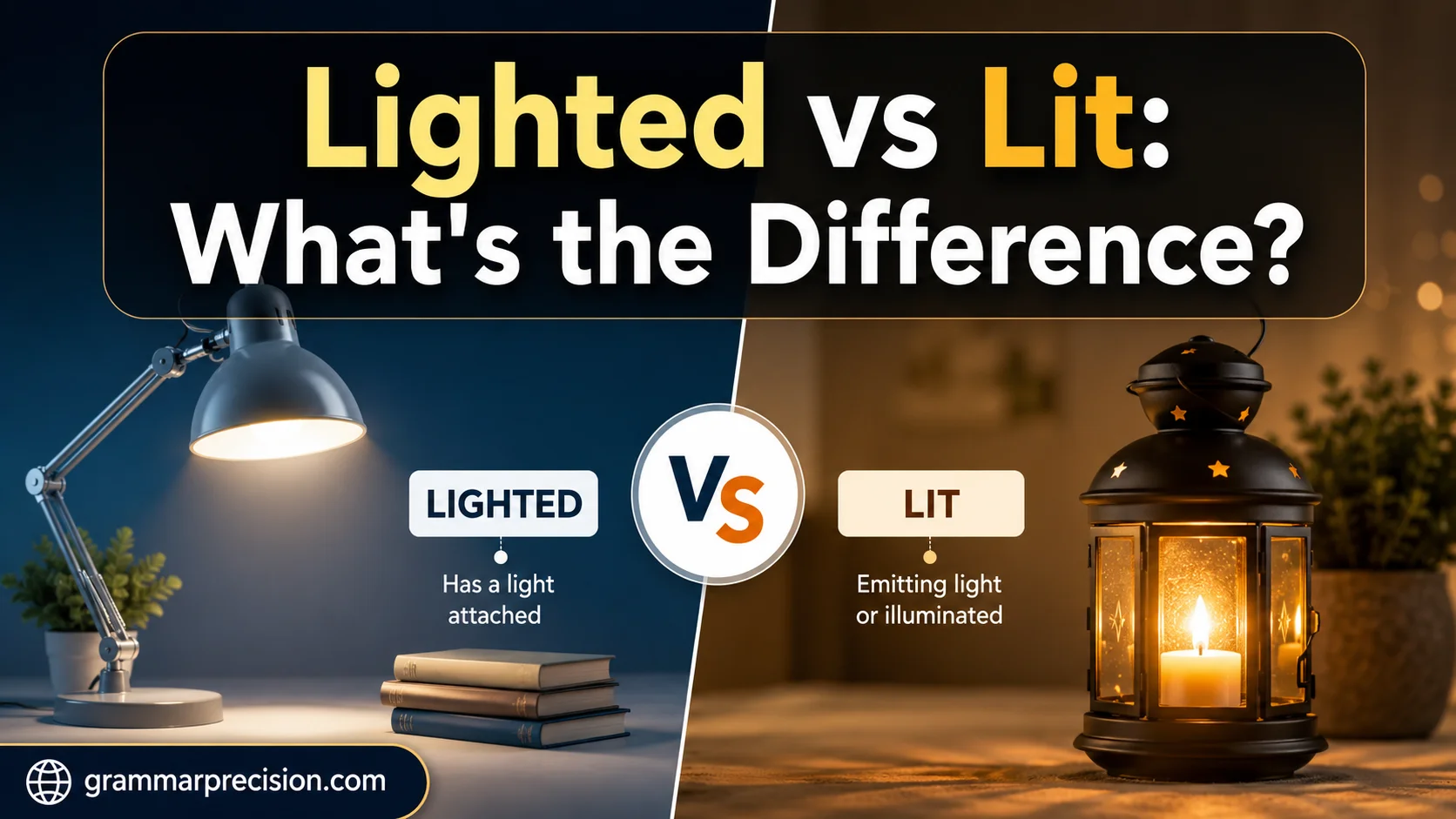
Lighted vs Lit can confuse writers, but both forms are correct. Lit commonly works as a verb, while lighted often ...
Read more
Blatant vs Flagrant: Which Word Should You Use?
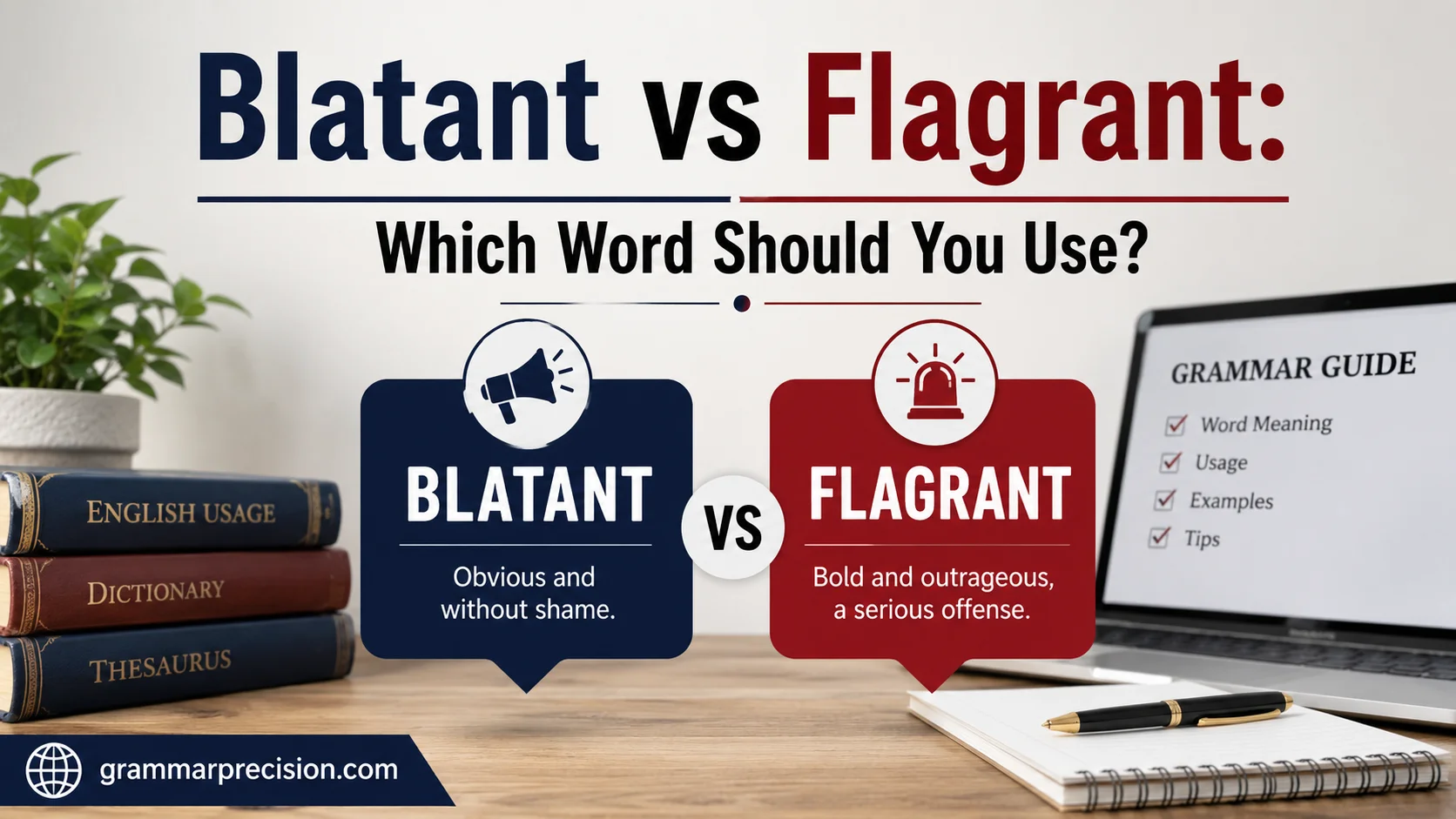
Blatant vs Flagrant can confuse readers because both words describe something obvious or offensive, yet their meanings, usage, and context ...
Read more
Transition To or Transition Into: Differences, and Correct Usage
Transition To or Transition Into can seem confusing when you’re learning English, but both forms are correct and commonly used. ...
Read more
That’s Mean vs That Means: Meaning, Grammar, and Examples
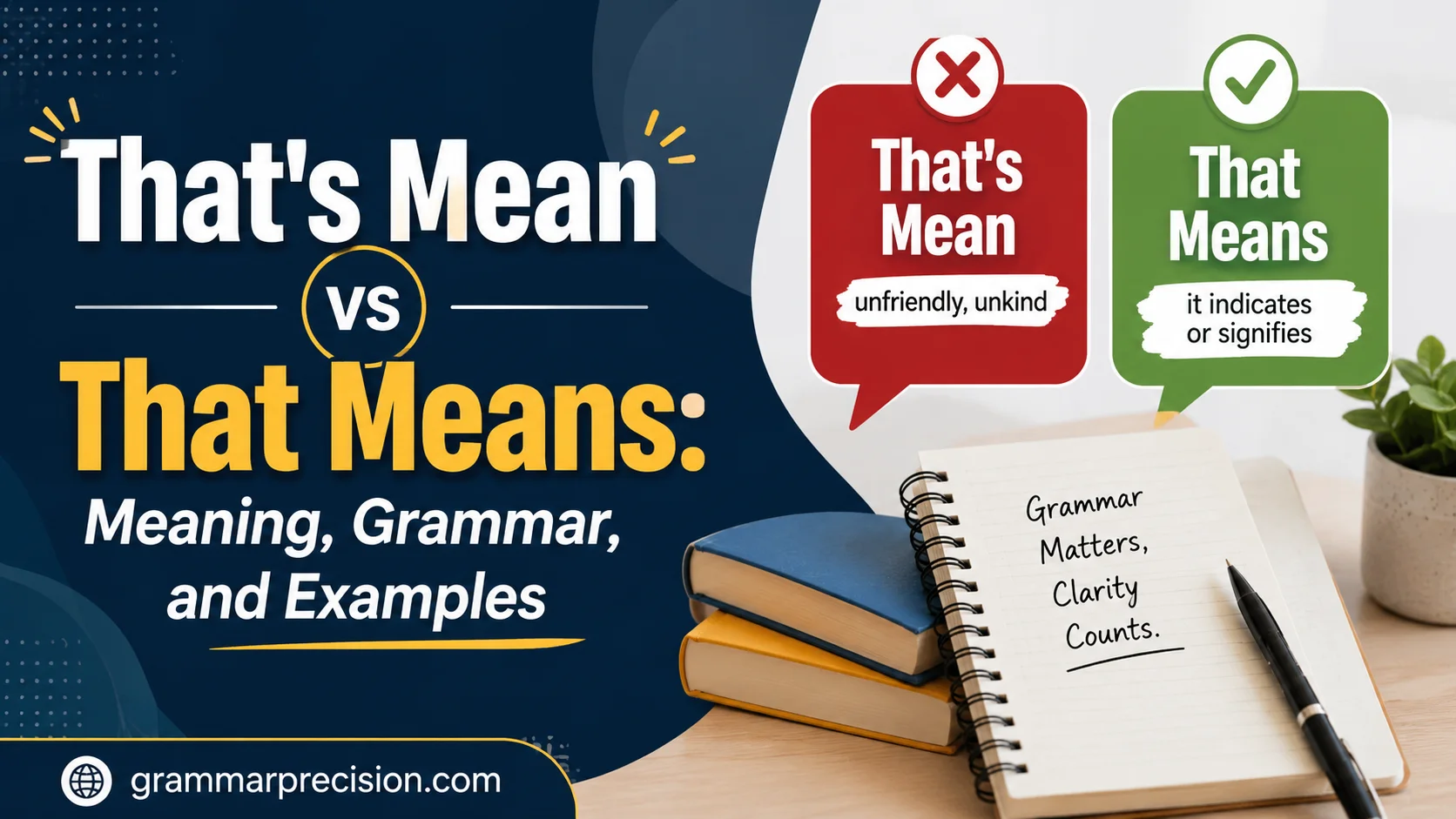
That’s Mean vs That Means can be confusing because both expressions look similar. Learn their meaning, grammar, differences, and correct ...
Read more
Heading To or Heading For: The Simple Rule
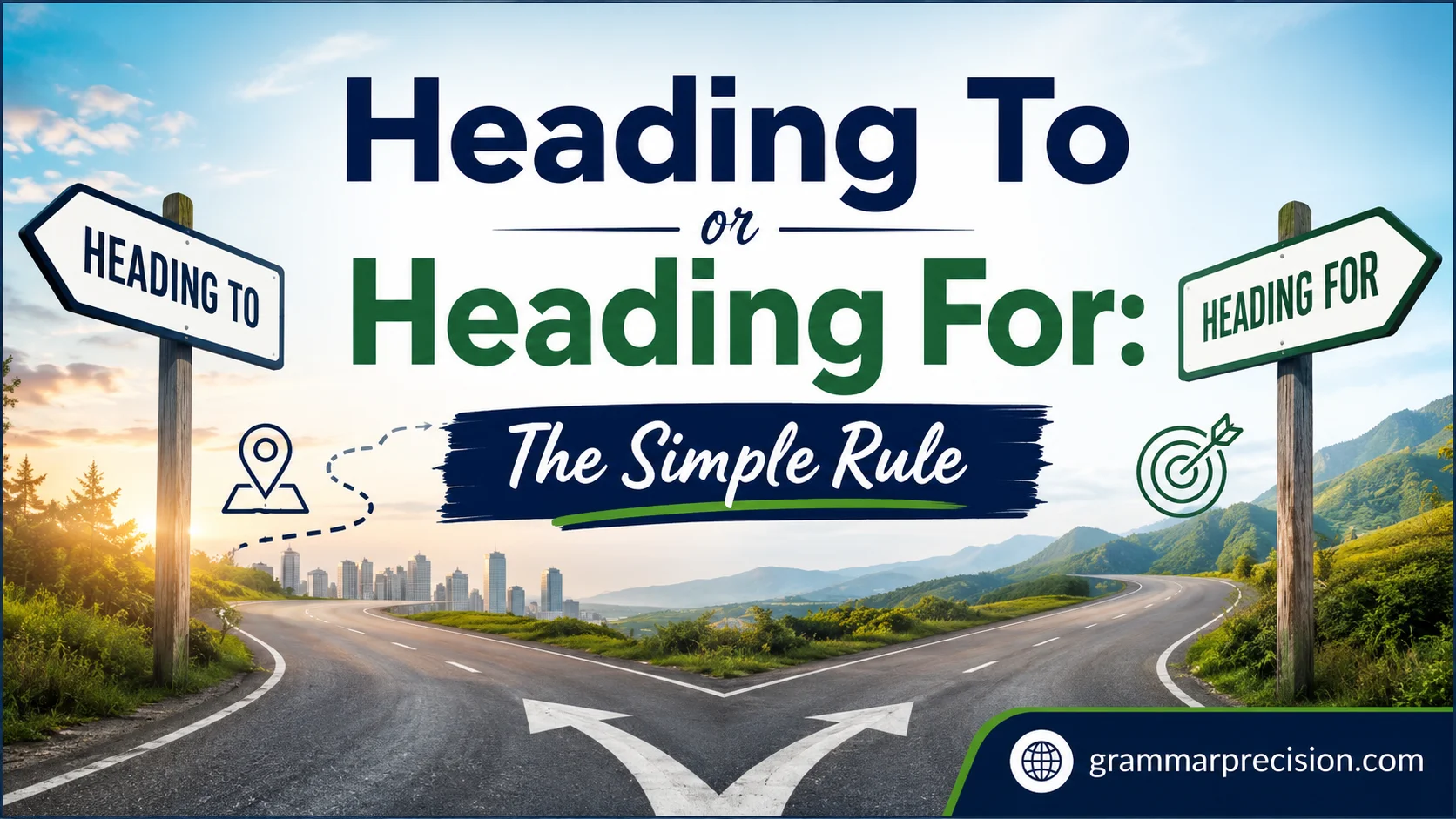
Confused about Heading To or Heading For? Learn the simple difference, correct grammar, and natural usage with clear examples that ...
Read more
Disfunction or Dysfunction? Easy Way to Understand
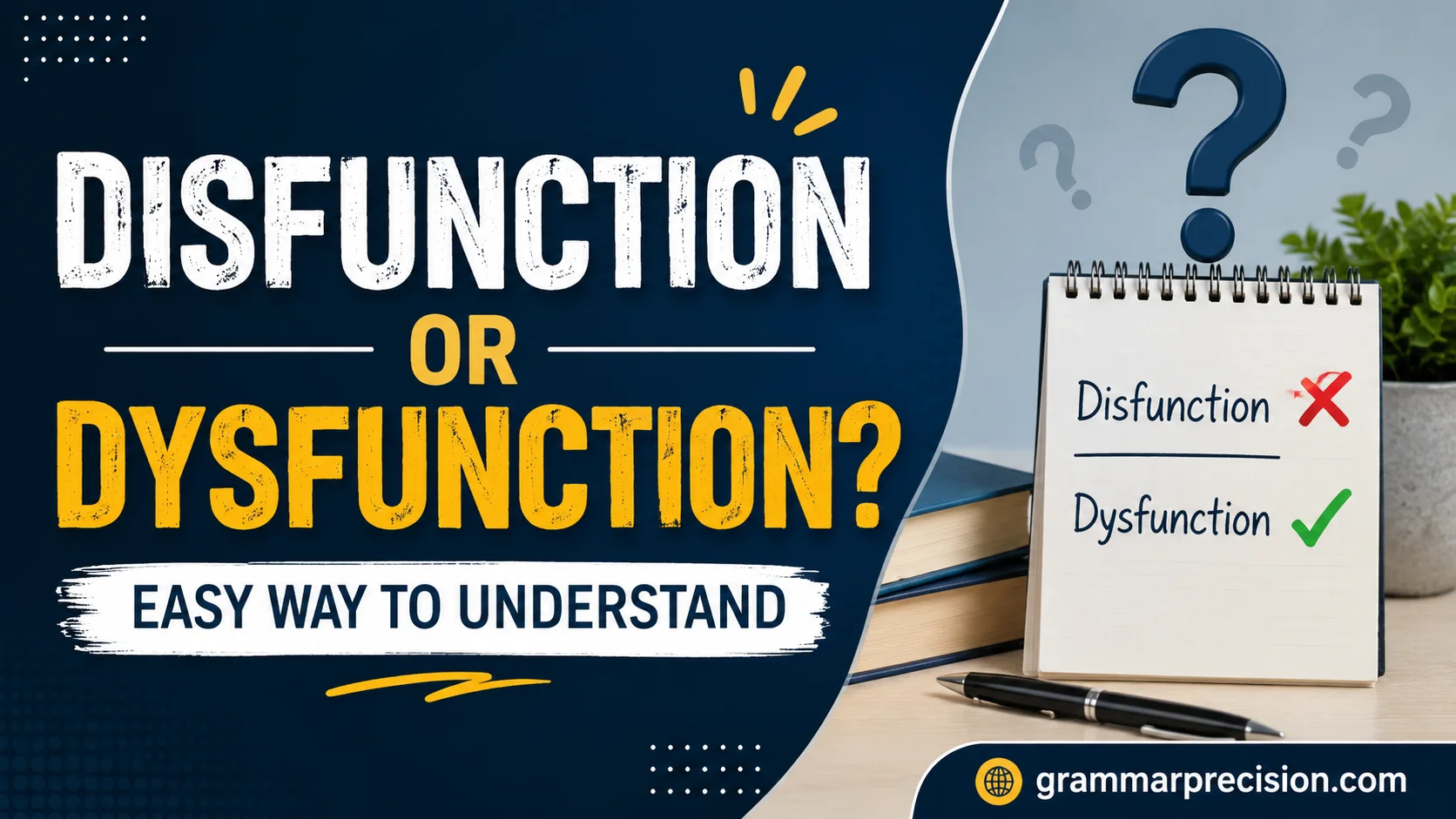
Confused about Disfunction or Dysfunction? You’re not alone. Many English learners mix up these spellings, but only one is standard ...
Read more
Whichever vs Whatever: Understanding Their Differences and Uses
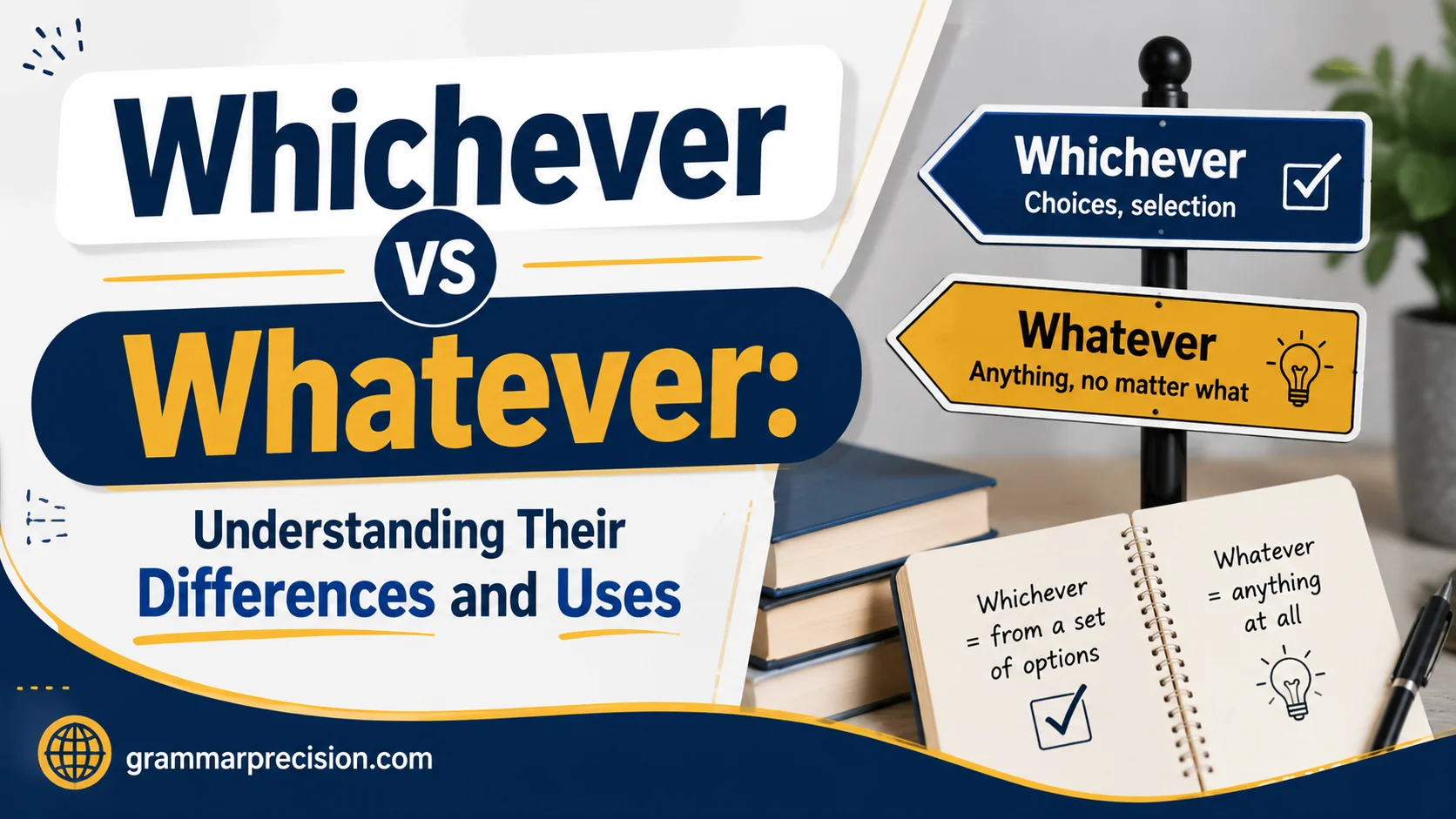
Whichever vs Whatever can confuse English learners because both words express choice, but their meanings differ when options are limited ...
Read more